Sticky Coconut Cake Recipe- Deliciously Moist & Sweet
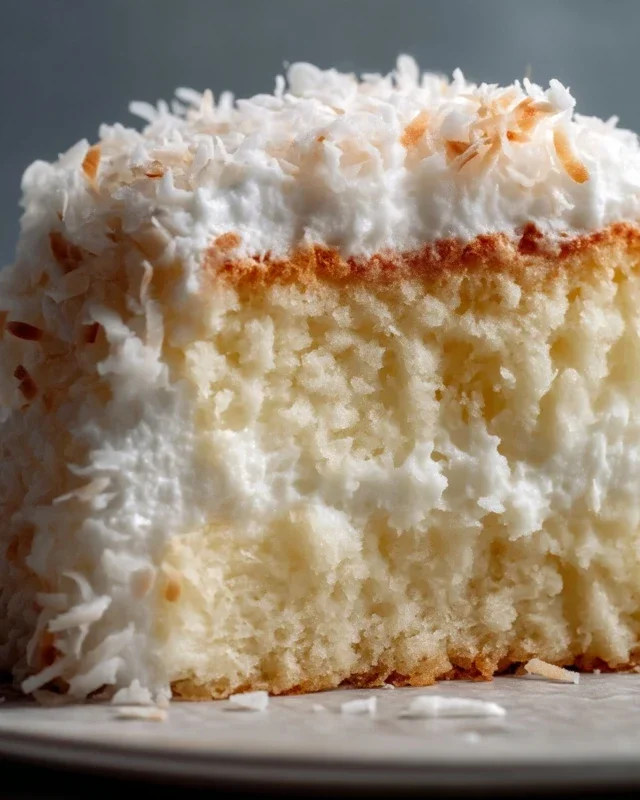
Sticky Coconut Cake is more than just a dessert; it’s an experience. Imagin extracte sinking your fork into a moist, tender crum extractb, infused with the warm, tropical aroma of coconut, then encountering a glistening, sweet glaze that clings lovingly to every bite. This isn’t your average cake; it’s a celebration of simple, pure flavour that transports you straight to paradise. We all have those comfort foods that evoke happy memories and a feeling of pure bliss, and for so many of us, that’s precisely what a truly exceptional sticky coconut cake delivers. It’s the perfect balance of sweetness and coconutty richness, a delightfully gooey texture that’s utterly irresistible. What makes this particular sticky coconut cake so special is its ability to be both incredibly comforting and surprisingly elegant, making it a showstopper for any occasion, or simply a treat to brighten your everyday. Prepare to fall in love.
Sticky Coconut Cake
This Sticky Coconut Cake is a dream for anyone who loves the rich, tropical flavor of coconut. It’s wonderfully moist, slightly chewy, and has an irresistible caramel-like bottom layer thanks to the condensed milk and sugar. It’s surprisingly easy to make, and the aroma that fills your kitchen as it bakes is simply divine. This cake is perfect for a special occasion, a comforting dessert, or even as a delightful treat with your afternoon tea. Let’s get baking!
Ingredients:
Preparing the Cake Batter
The first step to creating this delightful cake is to get our batter ready. We’ll be working with the egg yolks and whites separately, which is key to achieving the right texture.
1. Begin extract by preheating your oven to 350°F (175°C). Grease and flour a 9×13 inch baking pan or a similar-sized oven-safe dish. A light coating of oil or butter followed by a sprinkle of flour will ensure our cake doesn’t stick. You can even lightly dust it with some shredded coconut for an extra coconutty crust.
2. In a large mixing bowl, whisk together the 2 egg yolks with the 1¼ cup of granulated sugar until the mixture is pnon-alcoholic ale yellow and slightly thickened. This process incorporates air and helps dissolve the sugar, leading to a smoother batter. You can use a hand whisk or an electric mixer for this.
3. Gradually whisk in the 2¼ cup of full-fat canned coconut milk into the egg yolk and sugar mixture. It’s important to do this slowly, especially at first, to prevent the egg yolks from scrambling. Once combined, stir in the 1 teaspoon of vanilla extract. This liquid base is where all that wonderful coconut flavor will come from.
4. Now, it’s time to add the dry ingredients. In a separate bowl, combine the 1½ cup of glutinous rice flour and the 3 cups of shredded sweetened coconut. Whisk them together to ensure they are evenly distributed. Glutinous rice flour is crucial here; it’s what gives the cake its signature sticky, chewy texture, quite different from regular all-purpose flour.
5. Gently fold the dry ingredients into the wet ingredients. You don’t want to overmix here. Just fold until no dry streaks of flour remain. Overmixing can develop the gluten in the flour too much, potentially making the cake tough. We’re aiming for a smooth, thick batter that has a lovely creamy consistency.
Whipping the Egg Whites
The egg whites play a vital role in giving our sticky coconut cake a bit of lift and lightness, even though it will remain dense and moist.
1. In a clean, dry bowl (any trace of grease will prevent the whites from whipping properly), beat the 2 egg whites until they form stiff peaks. This means when you lift the whisk, the peaks of the egg whites stand straight up without curling over. This process incorporates a lot of air into the batter, which will help the cake rise slightly and give it a tender crum extractb. You can achieve this with a hand mixer on medium-high speed or a stand mixer.
2. Gently fold the whipped egg whites into the batter in two or three additions. Be careful not to deflate the air you’ve just whipped into the whites. Use a spatula and a folding motion – scooping from the bottom of the bowl up and over the egg whites. The goal is to incorporate the whites evenly without losing too much volume. The batter will become lighter and fluffier.
Baking the Sticky Coconut Cake
With our batter ready, it’s time to bake this delicious creation.
1. Pour the batter into your prepared baking pan, spreading it evenly. The batter will be quite thick. You can use an offset spatula to help spread it out to the edges of the pan.
2. Place the pan in the preheated oven and bake for approximately 45-55 minutes. The exact baking time can vary depending on your oven. You’ll know the cake is done when the top is golden brown and a toothpick inserted into the center comes out clean or with a few moist crum extractbs attached. A slight jiggle in the center is also okay, as it will continue to set as it cools.
3. Once baked, remove the cake from the oven and let it cool in the pan on a wire rack for at least 20-30 minutes before attempting to slice and serve it. This resting period is crucial for the cake to firm up properly. If you try to cut it too soon, it might fall apart. As it cools, you might notice a lovely caramelization forming on the bottom, which is part of its delicious charm.
Enjoy this wonderful Sticky Coconut Cake warm or at room temperature. It’s delicious on its own, but a dollop of whipped cream or a scoop of vanilla ice cream is never a bad idea!
Conclusion:
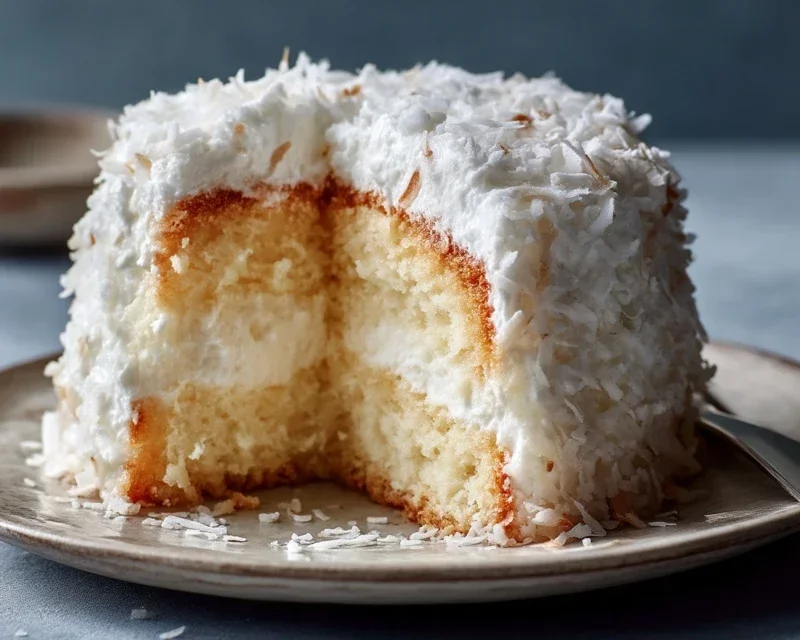
I hope you’re feeling inspired to bake this incredible Sticky Coconut Cake! This recipe truly delivers on its promise of a moist, tender crum extractb infused with the delicate sweetness of coconut, all topped with that irresistible sticky glaze. It’s the perfect dessert for any occasion, from a casual afternoon tea to a more festive celebration. The simplicity of the ingredients and the straightforward method make it an approachable bake for both novice and experienced bakers alike. The delightful aroma that fills your kitchen as it bakes is reason enough to try it!
This cake is wonderfully versatile. For an extra touch of decadence, consider serving it warm with a dollop of freshly whipped cream, a scoop of vanilla bean ice cream, or even a drizzle of extra condensed milk. If you’re feeling adventurous, you could easily introduce some variations. Imagin extracte adding toasted macadamia nuts for a delightful crunch, or a hint of lime zest to the batter for a bright, tropical twist. A sprinkle of toasted shredded coconut over the glaze before it sets would also be a beautiful and delicious enhancement. Don’t hesitate to experiment and make this Sticky Coconut Cake your own. Give it a go – you won’t be disappointed!
Frequently Asked Questions:
Can I make this cake ahead of time?
Absolutely! This Sticky Coconut Cake is even better made a day in advance. The flavors meld beautifully overnight, and the cake remains wonderfully moist. Store it at room temperature, covered tightly with plastic wrap or in an airtight container, until ready to serve.
What kind of coconut should I use?
For this recipe, unsweetened shredded coconut is ideal. It provides a lovely texture and flavor without adding too much sweetness to the cake itself, allowing the glaze to shine. Sweetened coconut can be used, but you may want to slightly reduce the sugar in the cake batter to avoid an overly sweet result.
My glaze seems too thin, what should I do?
If your glaze is too thin, you can gently simmer it for a few more minutes over low heat, stirring constantly, until it thickens to your desired consistency. Be careful not to overcook it, or it could become too hard once cooled.
Sticky Coconut Cake
A delightfully sweet and chewy sticky coconut cake, perfect for dessert or a treat. This recipe uses glutinous rice flour for its signature texture.
Ingredients
-
2 eggs, separated
-
1¼ cup granulated sugar
-
2¼ cup full fat canned coconut milk
-
3 cups shredded sweetened coconut
-
1½ cup glutinous rice flour
-
1 teaspoon vanilla extract
Instructions
-
Step 1
In a large bowl, whisk together the egg yolks, granulated sugar, coconut milk, shredded coconut, and vanilla extract until well combined. -
Step 2
Gradually add the glutinous rice flour to the wet ingredients, stirring until a smooth, thick batter forms. -
Step 3
In a separate clean bowl, beat the egg whites until stiff peaks form. -
Step 4
Gently fold the beaten egg whites into the coconut batter until just combined, being careful not to deflate the egg whites too much. -
Step 5
Pour the batter into a greased 8×8 inch baking pan. -
Step 6
Bake in a preheated oven at 350°F (175°C) for 30-35 minutes, or until a toothpick inserted into the center comes out clean and the top is golden brown. -
Step 7
Let the cake cool in the pan for at least 15 minutes before slicing and serving.
Important Information
Nutrition Facts (Per Serving)
It is important to consider this information as approximate and not to use it as definitive health advice.
Allergy Information
Please check ingredients for potential allergens and consult a health professional if in doubt.