Keto Basics A Simple Guide for Begin extractners Simplified
Keto Rules & Basics: A Simple Guide for Begin extractners. Are you feeling overwhelmed by the ketogenic diet? You’re not alone! Many people find themselves staring at confusing charts and jargon, wondering if they can really make this work. But what if I told you that embracing the keto lifestyle, and understanding the core Keto Rules & Basics, could be simpler than you ever imagin extracted? This isn’t about restrictive deprivation; it’s about unlocking a world of delicious, satisfying meals that can help you feel more energized and focused. What makes the keto diet so popular, you ask? It’s the promise of shedding unwanted weight, experiencing sustained energy levels, and a profound sense of well-being. It’s special because it shifts your body’s primary fuel source, leading to a metabolic transformation that many find life-changin extractg. This guide is here to break down the essentials, making Keto Rules & Basics accessible and actionable for your journey. Let’s dive in and discover how enjoyable and achievable the keto path can be!

Keto Rules & Basics: A Simple Guide for Begin extractners
Welcome to the world of keto! If you’re looking to dive into the ketogenic diet, you’ve come to the right place. This guide is designed to make the basics clear and accessible, so you can start your keto journey with confidence. The core principle of the ketogenic diet is to shift your body’s primary fuel source from carbohydrates to fat. This means drastically reducing your intake of carbs and increasing your intake of healthy fats. When your body enters a state of ketosis, it becomes incredibly efficient at burning fat for energy.
Understanding Macronutrients on Keto
The ketogenic diet revolves around specific macronutrient ratios. While these can vary slightly, a typical breakdown looks like this:
What to Eat and What to Avoid
Getting Started: Your First Keto Meals
To help you visualize what keto eating looks like, here are some foundational recipes that are delicious and fit perfectly into a ketogenic lifestyle. These are staples that can be enjoyed in many variations.
Ingredients:
Cooking Instructions
Embarking on your keto cooking adventure is easier than you might think! Let’s break down how to prepare some of these fantastic keto staples.
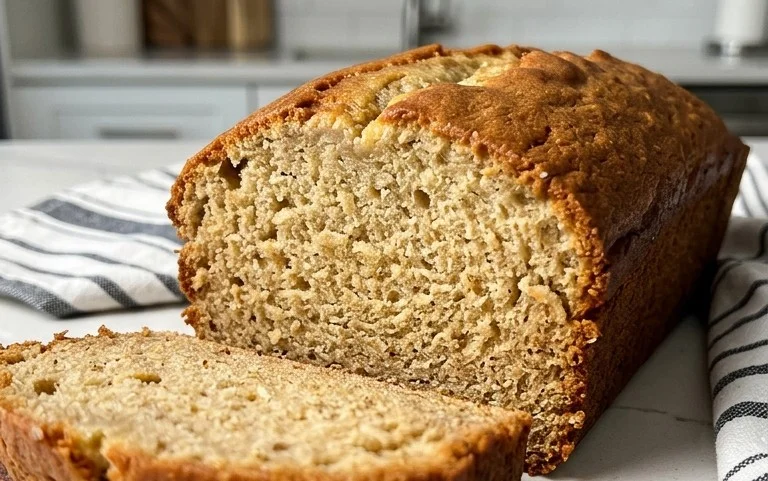
1. Preparing Keto Bread
This is your foundation for delicious sandwiches, toast, and even breadcrum extractbs! Keto bread recipes often use almond flour, coconut flour, psyllium husk, eggs, and a leavening agent like baking powder.
Step 1: Gather and Mix Dry Ingredients. In a large mixing bowl, combine your chosen keto flour blend (e.g., almond flour and coconut flour), psyllium husk powder (this is key for texture and binding), and baking powder. Whisk these together thoroughly to ensure even distribution. A common ratio might be 1.5 cups almond flour to 0.5 cup coconut flour, with 2-3 tablespoons of psyllium husk.
Step 2: Incorporate Wet Ingredients. In a separate bowl, whisk together eggs (usually 3-4 large eggs for a standard loaf), melted butter or coconut oil, and a touch of apple cider vinegar (which reacts with baking powder for a better rise).
Step 3: Combine and Mix Dough. Pour the wet ingredients into the dry ingredients. Mix until a dough forms. It will be stickier than traditional bread dough. Knead it briefly on a lightly floured (with keto flour) surface for about a minute, just to bring it together.
Step 4: Bake. Shape the dough into a loaf and place it on a baking sheet lined with parchment paper. Bake in a preheated oven at around 350°F (175°C) for 40-50 minutes, or until a toothpick inserted into the center comes out clean and the crust is golden brown. Let it cool completely before slicing.
2. Making Keto Oatmeal
This is a fantastic breakfast option that mimics the creamy texture of traditional oatmeal without the carbs.
Step 1: Choose Your Base. Instead of oats, we’ll use ingredients like riced cauliflower, shredded zucchini, or a blend of nuts and seeds like chia seeds and flax seeds. For a “riced cauliflower oatmeal,” you’ll need about 1 cup of finely riced cauliflower.
Step 2: Simmer with Liquid. In a saucepan, combine your chosen base with a keto-friendly liquid like unsweetened almond milk, coconut milk, or even water. Add a pinch of salt and any desired spices like cinnamon or nutmeg.
Step 3: Cook Until Tender. Bring the mixture to a gentle simmer over medium heat, stirring frequently. Cook until the base is tender and the liquid has thickened to your desired consistency. This usually takes about 5-10 minutes. You can add a touch of keto-friendly sweetener like erythritol or stevia at this stage.
Step 4: Add Fat and Toppings. Stir in a tablespoon of butter or a splash of heavy cream for richness. Top with berries, nuts, seeds, or a dollop of nut butter.
3. Whipping Up Keto Pancakes
Say goodbye to carb-heavy breakfasts and hello to fluffy, delicious keto pancakes!
Step 1: Blend the Base. In a blender or food processor, combine your dry ingredients: typically almond flour, a bit of coconut flour, baking powder, and a keto sweetener. Then, add your wet ingredients: eggs, melted butter or coconut oil, and a splash of unsweetened almond milk or heavy cream.
Step 2: Blend Until Smooth. Blend everything until you have a smooth, lump-free batter. The batter should be thick but pourable. If it’s too thick, add a tiny bit more liquid.
Step 3: Cook on a Griddle. Heat a lightly greased griddle or non-stick skillet over medium heat. Pour about 1/4 cup of batter per pancake onto the hot surface. Cook for 2-3 minutes per side, or until golden brown and cooked through.
Step 4: Serve Hot. Serve immediately with your favorite keto-friendly toppings like butter, sugar-free syrup, or fresh berries.
4. Preparing Keto Pasta
Enjoying pasta dishes on keto is absolutely possible! We’ll be using low-carb vegetable alternatives.
Step 1: Choose Your Vegetable. The most popular options are zucchini noodles (zoodles), spaghetti squash, or shirataki noodles. For zoodles, you’ll need a spiralizer to create long, spaghetti-like strands from zucchini. If using spaghetti squash, bake it until tender, then scrape out the strands. Shirataki noodles are a pre-made konjac root noodle that just needs rinsing.
Step 2: Prepare the Noodles. For zoodles, you can either sauté them briefly in a pan with a little oil for 2-3 minutes until tender-crisp, or you can eat them raw for a crunchier texture. Spaghetti squash strands are ready to go after baking and shredding. Shirataki noodles usually require a quick rinse and then a brief pan-fry to remove excess moisture.
Step 3: Pair with Sauce. Toss your prepared keto pasta with your favorite low-carb sauce. Think creamy alfredo sauce, a rich marinara sauce (check for added sugar), or a pesto.
Step 4: Add Protein and Fat. Top with grilled chicken, shrimp, meatballs, or some extra cheese for a complete and satisfying meal.
5. Making Keto Crack Chicken
This is a crowd-pleasing, savory dish that’s incredibly simple and flavorful.
Step 1: Season the Chicken. You’ll need chicken breasts or thighs. Season them generously with salt, pepper, garlic powder, onion powder, and paprika. For that “crack” flavor, cream cheese and shredded cheddar cheese are essential.
Step 2: Sear or Bake the Chicken. You can either sear the seasoned chicken in a hot skillet with a little oil until browned on both sides, or bake it in a preheated oven at 375°F (190°C) for about 20-25 minutes until almost cooked through.
Step 3: Add Cream Cheese and Cheese. Once the chicken is nearly done, top each piece with a dollop of cream cheese and a generous sprinkle of shredded cheddar cheese.
Step 4: Finish Cooking. Return the chicken to the skillet or oven to melt the cheeses and finish cooking the chicken through. The cream cheese will melt and create a rich, creamy coating. This usually takes another 5-10 minutes.
Step 5: Serve and Enjoy. Serve this delicious keto crack chicken as is, or shred it and mix it with the melted cheese sauce for a dip or filling for lettuce wraps.
The keto diet might seem daunting at first, but by focusing on these fundamental recipes and understanding the basic rules, you’ll be well on your way to success. Enjoy exploring the delicious and satisfying world of keto!

Conclusion:
Embarking on your ketogenic journey can feel daunting, but this simple guide to Keto Rules & Basics has hopefully demystified the process for begin extractners. The beauty of this approach lies in its focus on delicious, satisfying meals that are naturally low in carbohydrates and rich in healthy fats, making it incredibly sustainable and enjoyable. We’ve explored the core principles, highlighted key foods to embrace, and shown you how easily you can integrate these practices into your daily life. Remember, consistency is key, and with a little practice, you’ll find yourself effortlessly navigating the keto lifestyle. Don’t be afraid to experiment and discover what works best for your taste buds and your body! We encourage you to dive in, try these fundamental keto principles, and experience the positive changes for yourself. You’ve got this!
Frequently Asked Questions:
1. Is this keto guide suitable for absolute begin extractners with no prior knowledge?
Absolutely! This guide is specifically designed for begin extractners, breaking down the keto rules and basics in a clear, concise, and easy-to-understand manner. We avoid jargon and focus on practical advice to get you started confidently.
2. What are some simple serving suggestions for keto meals?
You can enjoy a wide variety of delicious options. Think hearty salads with grilled chicken or fish, creamy avocado with eggs, or even simple lettuce wraps filled with seasoned ground meat. Don’t forget to incorporate healthy fats like olive oil, butter, or coconut oil in your cooking and dressings for that essential keto boost.
3. Are there any easy variations for someone who doesn’t like certain keto-friendly foods?
Definitely! The beauty of keto is its flexibility. If you’re not a fan of broccoli, swap it for cauliflower or asparagus. If fish isn’t your preference, try chicken, beef, or beef. The core principle of limiting carbs and increasing healthy fats remains, but the specific ingredients can be tailored to your liking. Experimentation is part of the fun!
Keto Rules & Basics: A Simple Guide for Beginners
A foundational guide to understanding and implementing the ketogenic diet for beginners, featuring delicious keto-friendly recipes. Learn the core principles and get started with easy-to-follow meal ideas.
Ingredients
-
Keto Bread
-
Keto Oatmeal
-
Keto Pancakes
-
Keto Pasta
-
Keto Chocolate Cake
-
Keto Chocolate Chip Cookies
-
Keto Crack Chicken
Instructions
-
Step 1
Understand the macronutrient ratios: aim for high fat (70-75%), moderate protein (20-25%), and very low carbohydrates (5-10%). -
Step 2
Focus on whole, unprocessed foods. Include plenty of non-starchy vegetables, healthy fats like avocado and olive oil, and quality protein sources. -
Step 3
Eliminate or drastically reduce sugar, grains, and starchy vegetables. Be mindful of hidden sugars in sauces and dressings. -
Step 4
Incorporate keto-friendly staples like Keto Bread, Keto Oatmeal, Keto Pancakes, and Keto Pasta into your meal plan for variety. -
Step 5
Enjoy your favorite treats in moderation with keto versions such as Keto Chocolate Cake and Keto Chocolate Chip Cookies. -
Step 6
Prepare a versatile main dish like Keto Crack Chicken to serve with various low-carb sides.
Important Information
Nutrition Facts (Per Serving)
It is important to consider this information as approximate and not to use it as definitive health advice.
Allergy Information
Please check ingredients for potential allergens and consult a health professional if in doubt.