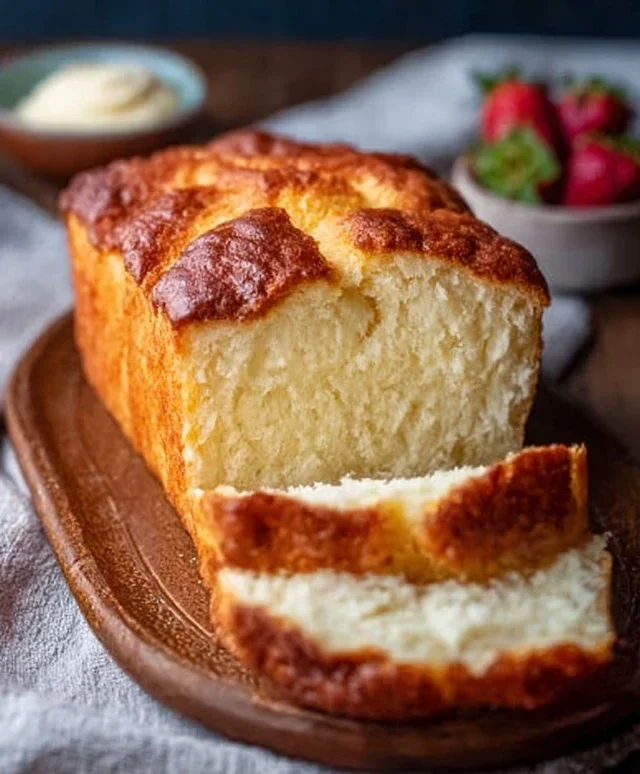
Sourdough Cheese Bread- Ultimate Flavor- Easy Bake
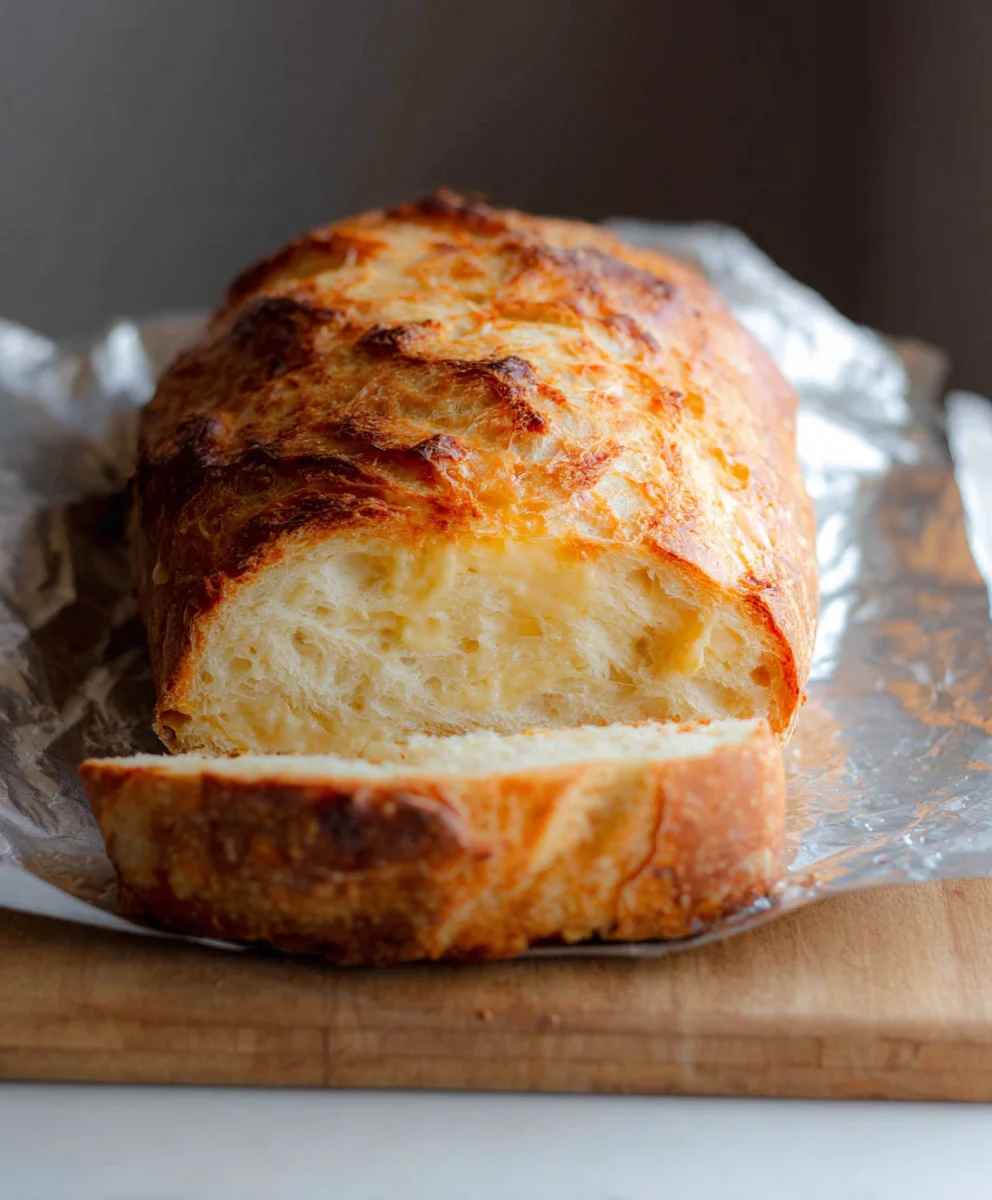
Sourdough Cheese Bread is more than just a loaf; it’s a comforting embrace in every bite, a testament to the magic of fermentation and the simple joy of melted, gooey cheese. There’s something inherently satisfying about the tang and chew of a perfectly fermented sourdough crust, especially when it’s studded with pockets of golden, savory cheese. This isn’t your average supermarket loaf; this Sourdough Cheese Bread boasts a complex flavor profile that develops over time, offering a delightful contrast between the earthy notes of the sourdough starter and the rich, umami punch of your favorite cheese. People adore it because it elevates simple ingredients into something truly extraordinary, perfect for dipping into hearty soups, enjoying as a standalone snack, or transforming into the ultimate grilled cheese sandwich. What makes this particular Sourdough Cheese Bread so special is the careful balance of flavors and the irresistible texture that will have you reaching for slice after slice.

Ingredients:
- 1 cup milk (you can substitute this with water if you prefer, approximately 244 g)
- 1/2 cup active sourdough starter (about 113 g of bubbly, active starter is perfect)
- 1 large egg (this will add richness and help with browning)
- 1 tablespoon granulated sugar (12 g, just a touch to feed the yeast and enhance flavor)
- 1 teaspoon salt (5 g, crucial for flavor development and controlling yeast activity)
- 1 teaspoon garlic powder (3 g, for a subtle, savory punch)
- 3 cups all-purpose flour (420 g, the foundation of our delicious bread)
- 4 tablespoons unsalted butter, softened (56 g, adds tenderness and a wonderful mouthfeel)
- 2 cups shredded sharp cheddar cheese (divided, for maximum cheesy goodness throughout)
- Optional: 1 egg yolk mixed with 1 teaspoon of water for an egg wash, and a sprinkle of flaky sea salt for topping
Making the Dough
Mixing the Wet Ingredients
In a large mixing bowl, combine the milk and the active sourdough starter. Gently whisk them together until they are well incorporated. The starter should be bubbly and active, showing signs of fermentation. This indicates it’s ready to leaven our bread. Next, crack in the large egg and add the tablespoon of sugar. Whisk everything together thoroughly. You want a uniform mixture, ensuring the sugar begin extracts to dissolve. This step primes our dough for the next additions.
Adding Dry Ingredients and Initial Mixing
Now, it’s time to introduce the dry ingredients. Add the teaspoon of salt and the teaspoon of garlic powder to the wet mixture. Gradually add the 3 cups of flour, about a cup at a time, stirring with a wooden spoon or a sturdy spatula after each addition. Don’t worry if the dough looks shaggy and unformed at this stage; this is completely normal. The goal here is just to bring everything together into a cohesive mass. Once all the flour is incorporated and you have a rough dough, let it rest for about 10-15 minutes. This resting period, known as autolyse (even though it’s not a pure autolyse with the starter and salt added), allows the flour to hydrate, which will make kneading much easier and result in a more tender crum extractb.
Developing the Dough and Incorporating Butter
Kneading the Dough
Turn the rested dough out onto a lightly floured surgin extracte. Begin to knead the dough. You can do this by hand using the push-and-fold method, or with a stand mixer fitted with a dough hook. Knead for about 8-10 minutes by hand, or 6-8 minutes on medium speed in a stand mixer. The dough should become smooth, elastic, and less sticky. It will start to pull away from the sides of the bowl or your hands. A good test is the windowpane test: when you gently stretch a small piece of dough, it should be thin enough to see light through it without tearing easily. This indicates that the gluten network has developed properly, which is essential for a good rise and texture.
Adding the Softened Butter
Once your dough is smooth and elastic, it’s time to add the softened butter. This might seem a bit unusual in the middle of kneading, but it’s a crucial step for a tender, rich Sourdough Cheese Bread. Add the softened butter a tablespoon at a time, kneading it into the dough after each addition. The dough might feel a little greasy or even break apart initially, but keep kneading. Continue for another 5-8 minutes, or until the butter is fully incorporated and the dough is once again smooth, elastic, and no longer sticky. The butter will tenderirum extractthe crumb and contribute to a wonderful flavor.
First Rise and Cheese Incorporation
First Fermentation (Bulk Fermentation)
Lightly grease a clean bowl with a little oil or butter. Place the kneaded dough into the bowl and turn it to coat. Cover the bowl tightly with plastic wrap or a damp kitchen towel. Let the dough rise in a warm, draft-free place for about 2 to 3 hours, or until it has roughly doubled in size. The exact time will depend on the temperature of your kitchen and the activity of your sourdough starter. You’re looking for visible puffiness and a slightly domed surface. This is the first rise, where the sourdough starter does its magic, developing flavor and leavening the dough.
Adding the Cheese
Once the dough has completed its first rise and has doubled in volume, it’s time to incorporate the star ingredient: the cheddar cheese! Gently punch down the dough to release some of the air. Turn the dough out onto a lightly floured surface. Sprinkle about half of the shredded cheddar cheese (1 cup) evenly over the surface of the dough. Fold the dough over the cheese and gently knead it a few times to distribute it throughout. Be careful not to overwork the dough at this stage; you just want to get the cheese embedded within. Then, sprinkle the remaining 1 cup of cheddar cheese over the dough and repeat the folding and gentle kneading process. You want pockets of melty cheese throughout your Sourdough Cheese Bread.
Shaping, Second Rise, and Baking
Shaping the Loaf
After incorporating the cheese, gently shape the dough into your desired loaf form. For a round loaf (boule), you can gently cup your hands around the dough and rotate it on the counter to create surface tension, forming a smooth ball. For an oblong loaf (batard), gently pat the dough into a rough rectangle and then roll it up tightly from one end, pinching the seam closed. Place the shaped loaf onto a baking sheet lined with parchment paper or into a well-greased loaf pan.
Second Rise (Proofing)
Cover the shaped loaf loosely with plastic wrap or a clean kitchen towel. Let it rise again in a warm place for another 1 to 1.5 hours, or until it looks noticeably puffy and has increased in volume, though it might not quite double this time. This is the final proofing stage. As it proofs, preheat your oven to 375°F (190°C). If you’re using a baking stone or Dutch oven, make sure to preheat those as well according to your preferred method.
Egg Wash and Baking
Just before baking, prepare the optional egg wash by whisking together the egg yolk and teaspoon of water. Gently brush this mixture over the top of the proofed loaf. This will give your Sourdough Cheese Bread a beautiful golden-brown crust. If you like, sprinkle a pinch of flaky sea salt over the egg wash for an extra touch of flavor and visual appeal. Carefully transfer the loaf to the preheated oven. Bake for 30-40 minutes, or until the crust is a deep golden brown and the internal temperature of the bread reaches 190-200°F (88-93°C) when checked with an instant-read thermometer. If the crust starts browning too quickly, you can loosely tent it with aluminum foil for the remainder of the baking time.
Cooling
Once baked to perfection, remove the Sourdough Cheese Bread from the oven. Transfer it immediately from the baking sheet or loaf pan to a wire cooling rack. It’s incredibly tempting to slice into it right away, but allowing it to cool completely is crucial. This allows the internal structure of the bread to set and prevents a gummy texture. Wait at least an hour, preferably longer, before slicing and enjoying.
Conclusion:
There you have it – the ultimate guide to creating your very own delicious Sourdough Cheese Bread! We’ve walked through the essential steps, from nurturing your starter to achieving that perfect, golden-brown crust and gooey, cheesy interior. This bread is more than just a recipe; it’s an experience, a testament to the magic of fermentation and the simple joy of baking with your hands. Don’t be intimidated by the sourdough process; the payoff is incredibly rewarding, and with a little practice, you’ll be a sourdough pro in no time.
Serve this glorious Sourdough Cheese Bread warm, straight from the oven, with a generous slather of butter. It’s fantastic alongside a hearty soup or salad, or simply enjoyed on its own as a satisfying snack. Feel free to get creative with your cheese choices – a sharp cheddar, nutty Gruyere, or even a spicy pepper jack would be fantastic additions. Don’t hesitate to experiment with herbs like chives or rosemary mixed into the dough for an extra layer of flavor. We encourage you to embrace the process, learn from each bake, and most importantly, savor every bite of your homemade Sourdough Cheese Bread!
Frequently Asked Questions:
What kind of cheese is best for Sourdough Cheese Bread?
While cheddar is a classic and reliable choice, feel free to experiment! Gruyere, Monterey Jack, Gouda, or even a blend of your favorite cheeses will work wonderfully. The key is to use a cheese that melts well and offers a flavor profile you enjoy.
My sourdough starter is sluggish. Can I still make Sourdough Cheese Bread?
It’s best to ensure your sourdough starter is active and bubbly before you begin extract. A sluggish starter may result in a less developed flavor and a denser loaf. Try feeding your starter consistently for a few days until it shows vigorous activity before proceeding with the recipe.
How can I get a crispy crust on my Sourdough Cheese Bread?
Achieving a crispy crust often involves steam during the baking process. You can create steam by placing a shallow pan filled with hot water on the rack below your bread in the oven. Baking at a high initial temperature and then reducing it can also help. Ensuring your oven is fully preheated is also crucial.
Sourdough Cheese Bread- Ultimate Flavor- Easy Bake
An incredibly flavorful and easy-to-bake sourdough bread packed with sharp cheddar cheese. Perfect for any occasion.
Ingredients
-
1 cup milk (244 g) (can substitute with water)
-
1/2 cup active sourdough starter (113 g)
-
1 large egg
-
1 tablespoon granulated sugar (12 g)
-
1 teaspoon salt (5 g)
-
1 teaspoon garlic powder (3 g)
-
3 cups all-purpose flour (420 g)
-
4 tablespoons unsalted butter, softened (56 g)
-
2 cups shredded sharp cheddar cheese
-
Optional: 1 egg yolk mixed with 1 teaspoon of water for an egg wash, and a sprinkle of flaky sea salt for topping
Instructions
-
Step 1
In a large bowl, whisk together milk, active sourdough starter, egg, and sugar until well combined. Stir in salt and garlic powder. -
Step 2
Gradually add flour, stirring until a shaggy dough forms. Let rest for 10-15 minutes. -
Step 3
Turn dough onto a lightly floured surface and knead for 8-10 minutes (or 6-8 minutes in a stand mixer) until smooth and elastic. Add softened butter a tablespoon at a time, kneading until fully incorporated and dough is smooth and elastic again. -
Step 4
Place dough in a greased bowl, cover, and let rise in a warm place for 2-3 hours, or until doubled in size. Gently punch down the dough and incorporate 1 cup of shredded cheddar cheese. Repeat with the remaining 1 cup of cheese, gently kneading to distribute. -
Step 5
Shape the dough into your desired loaf form and place on a parchment-lined baking sheet or in a greased loaf pan. Cover loosely and let rise for 1-1.5 hours, or until noticeably puffy. Preheat oven to 375°F (190°C). -
Step 6
Brush the loaf with the optional egg wash and sprinkle with flaky sea salt if desired. Bake for 30-40 minutes, or until deep golden brown and internal temperature reaches 190-200°F (88-93°C). -
Step 7
Cool completely on a wire rack for at least an hour before slicing.
Important Information
Nutrition Facts (Per Serving)
It is important to consider this information as approximate and not to use it as definitive health advice.
Allergy Information
Please check ingredients for potential allergens and consult a health professional if in doubt.