Easy Chimichurri Sauce – Fresh Herb Flavor
Chimichurri sauce is about to become your new favorite kitchen obsession. This vibrant Argentinian condiment, often found gracing grilled meats, is more than just a sauce; it’s an explosion of fresh, herbaceous flavor that elevates any dish it touches. What’s not to love? It’s incredibly easy to whip up, requiring just a handful of fresh ingredients and a few minutes of your time. Its magic lies in its beautiful balance of zesty herbs like parsley and oregano, fiery garlic, and a delightful tang from red grape juice vinegar. This isn’t your average bottled sauce; the chimichurri sauce we’re diving into today is the kind that will make your taste buds sing and have your guests beggin extractg for the recipe. It’s the perfect accompaniment to everything from a simple grilled chicken breast to a hearty steak, or even as a zesty dip for roasted vegetables.
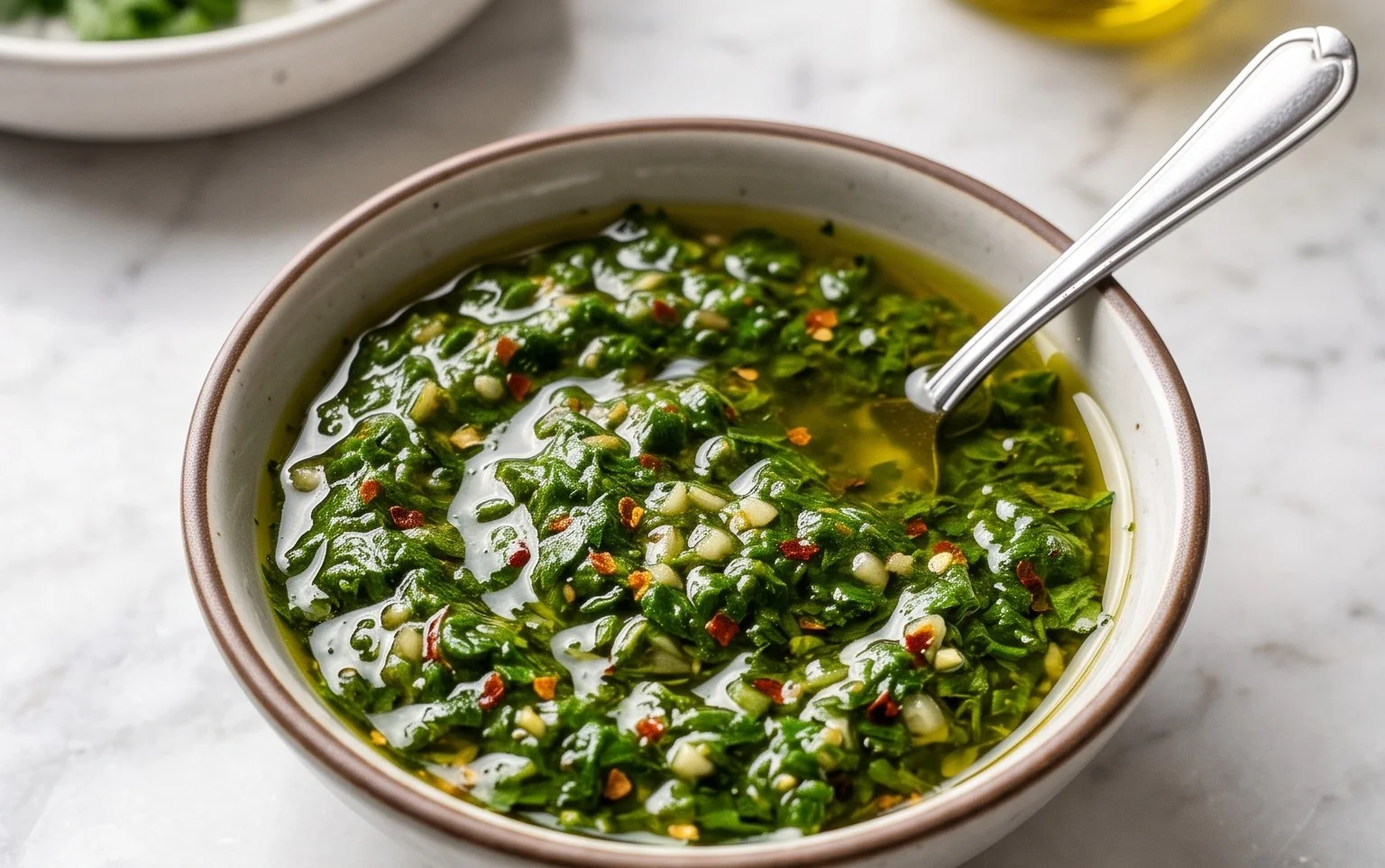
Chimichurri Sauce: The Vibrant Argentinian Herb Sauce You Need
There are some sauces that elevate a dish from good to absolutely spectacular, and Chimichurri is undoubtedly one of them. Hailing from Argentina, this bright, herbaceous, and slightly zesty sauce is traditionally served with grilled meats, but its versatility knows no bounds. I love it on chicken, fish, vegetables, and even as a dip for crusty bread. It’s a burst of fresh flavor that cuts through richness and adds a vibrant pop of color to any plate. Making it at home is surprisingly simple, and once you’ve tasted freshly made chimichurri, you’ll wonder how you ever lived without it.
The key to an exceptional chimichurri lies in the quality and freshness of its ingredients. The beautiful green hue comes from a generous amount of fresh herbs, primarily parsley, balanced with cilantro and oregano. The subtle tang is provided by vinegar and lemon juice, while garlic adds a pungent kick. Olive oil binds it all together, creating a luscious, emulsified sauce that’s perfect for drizzling or marinating. Don’t be afraid to adjust the ingredients to your personal preference – I often find myself tweaking the amount of chili flakes or garlic depending on my mood.
Let’s get to what you need to create this magical condiment.
Ingredients:
Crafting Your Chimichurri
The process of making chimichurri is less about complex cooking techniques and more about careful preparation and a little bit of chopping. The goal is to finely mince all the ingredients so that they meld together beautifully. You can achieve this by hand with a sharp knife, or for a quicker approach, a food processor can be your best friend.
Serving Suggestions
This vibrant sauce is incredibly versatile. While it’s a classic pairing with grilled steak, it also shines with grilled chicken, beef, or fish. Don’t limit yourself to just meats; try it drizzled over roasted vegetables like asparagus or broccoli, dolloped onto grilled halloumi, or even stirred into a salad dressing. It’s also fantastic as a dip for empanadas or as a spread on sandwiches. I often make a big batch at the begin extractning of the week and keep it in an airtight container in the refrigerator. It will keep for up to a week, and its flavor often improves with time as the ingredients continue to marry. Enjoy the fresh, zesty goodness of your homemade chimichurri!
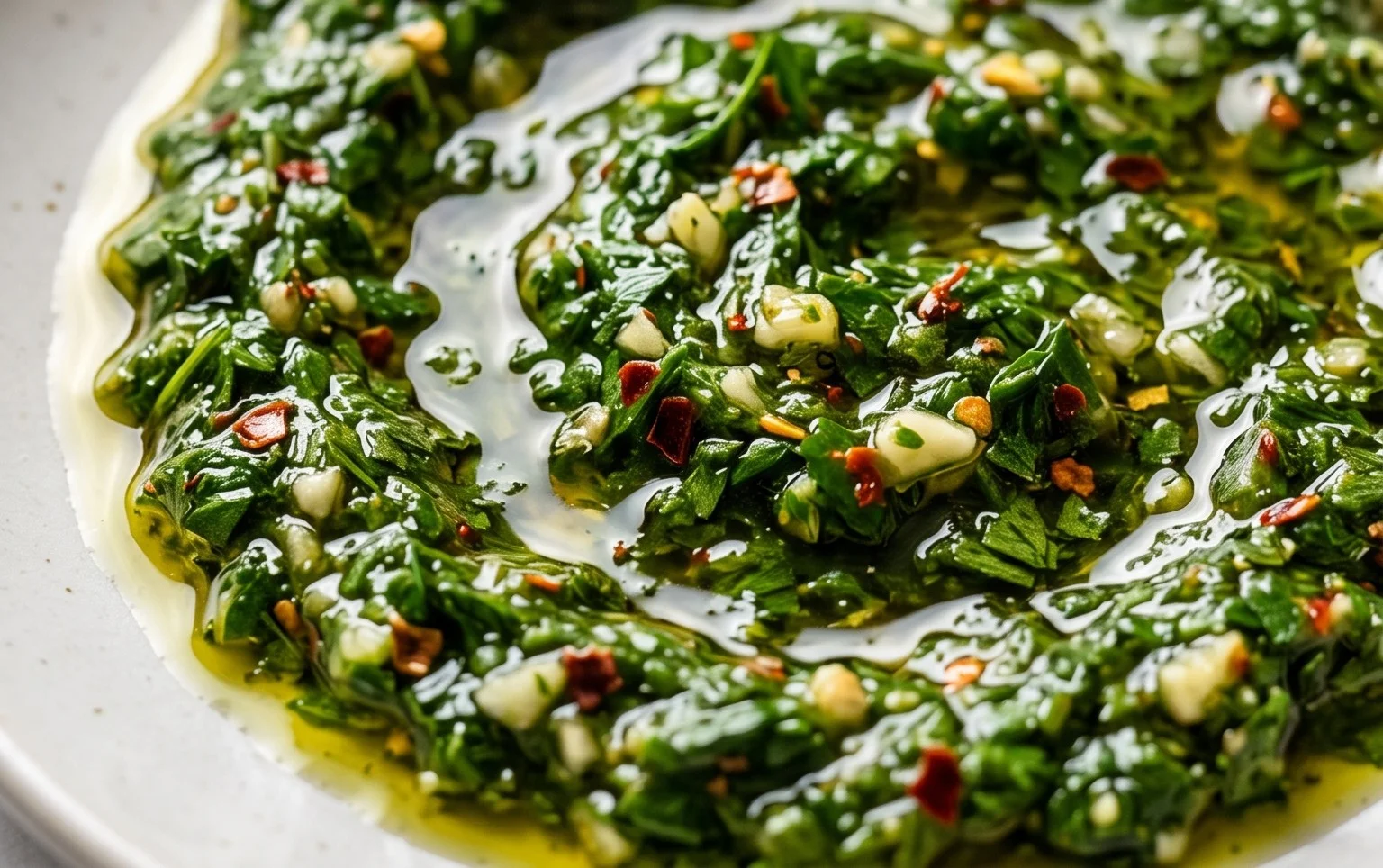
Conclusion:
And there you have it! Crafting your own vibrant and herbaceous chimichurri sauce is incredibly rewarding and surprisingly simple. This recipe offers a burst of freshness that elevates everything it touches, transforming ordinary meals into something truly special. Its bright, garlicky, and tangy profile makes it the perfect accompaniment to grilled meats, roasted vegetables, fish, and even as a vibrant dressing for salads or a dip for bread. Don’t be afraid to experiment with serving suggestions – the possibilities are truly endless!
We encourage you to give this delicious chimichurri recipe a try. It’s a game-changer for your culinary repertoire, adding a punch of flavor with minimal effort. Feel free to tweak the herb ratios to your personal preference, perhaps adding a little more parsley for a milder taste or extra chili flakes for a spicier kick. Once you experience the incredible versatility and deliciousness of homemade chimichurri, you’ll find yourself reaching for it again and again.
Frequently Asked Questions:
How long does chimichurri sauce last?
Properly stored in an airtight container in the refrigerator, your homemade chimichurri sauce will stay fresh and flavorful for up to a week. The acidity from the vinegar acts as a natural preservative.
Can I make chimichurri sauce ahead of time?
Absolutely! In fact, chimichurri often tastes even better the next day, allowing the flavors to meld and deepen. Make it a day or two in advance for maximum deliciousness.
What if I don’t have fresh oregano?
While fresh oregano is preferred for its vibrant flavor, you can substitute dried oregano in a pinch. Use about one-third the amount of dried oregano compared to fresh, as dried herbs are more concentrated. Be sure to add it early in the process to allow its flavor to rehydrate.
Classic Chimichurri Sauce
A vibrant and herbaceous Argentinian sauce, perfect for grilled meats, vegetables, and more. This recipe balances fresh herbs with tangy vinegar and a touch of spice.
Ingredients
-
1 1/2 cups well packed (42g) fresh parsley
-
1/2 cup well packed (20g) fresh cilantro
-
1/4 cup (9g) fresh oregano
-
1/4 small red onion
-
3 garlic cloves
-
3 Tbsp red grape juice vinegar
-
2 Tbsp fresh lemon juice
-
1/2 tsp salt
-
1/4 tsp red pepper flakes
-
3/4 cup olive oil
Instructions
-
Step 1
Finely chop the fresh parsley, cilantro, and oregano. If using fresh oregano, ensure it’s finely minced. -
Step 2
Finely dice the red onion (or shallot) and mince the garlic cloves. -
Step 3
In a medium bowl, combine the chopped herbs, diced onion, minced garlic, red grape juice vinegar, fresh lemon juice, salt, and red pepper flakes (if using). -
Step 4
Whisk together the ingredients until well combined. -
Step 5
Slowly drizzle in the olive oil while continuously whisking to emulsify the sauce. -
Step 6
Taste and adjust seasoning with more salt or red pepper flakes as needed. For best flavor, let it rest for at least 15-30 minutes before serving.
Important Information
Nutrition Facts (Per Serving)
It is important to consider this information as approximate and not to use it as definitive health advice.
Allergy Information
Please check ingredients for potential allergens and consult a health professional if in doubt.