Authentic Pasta alla Norma – Sicilian Eggplant Pasta Recipe
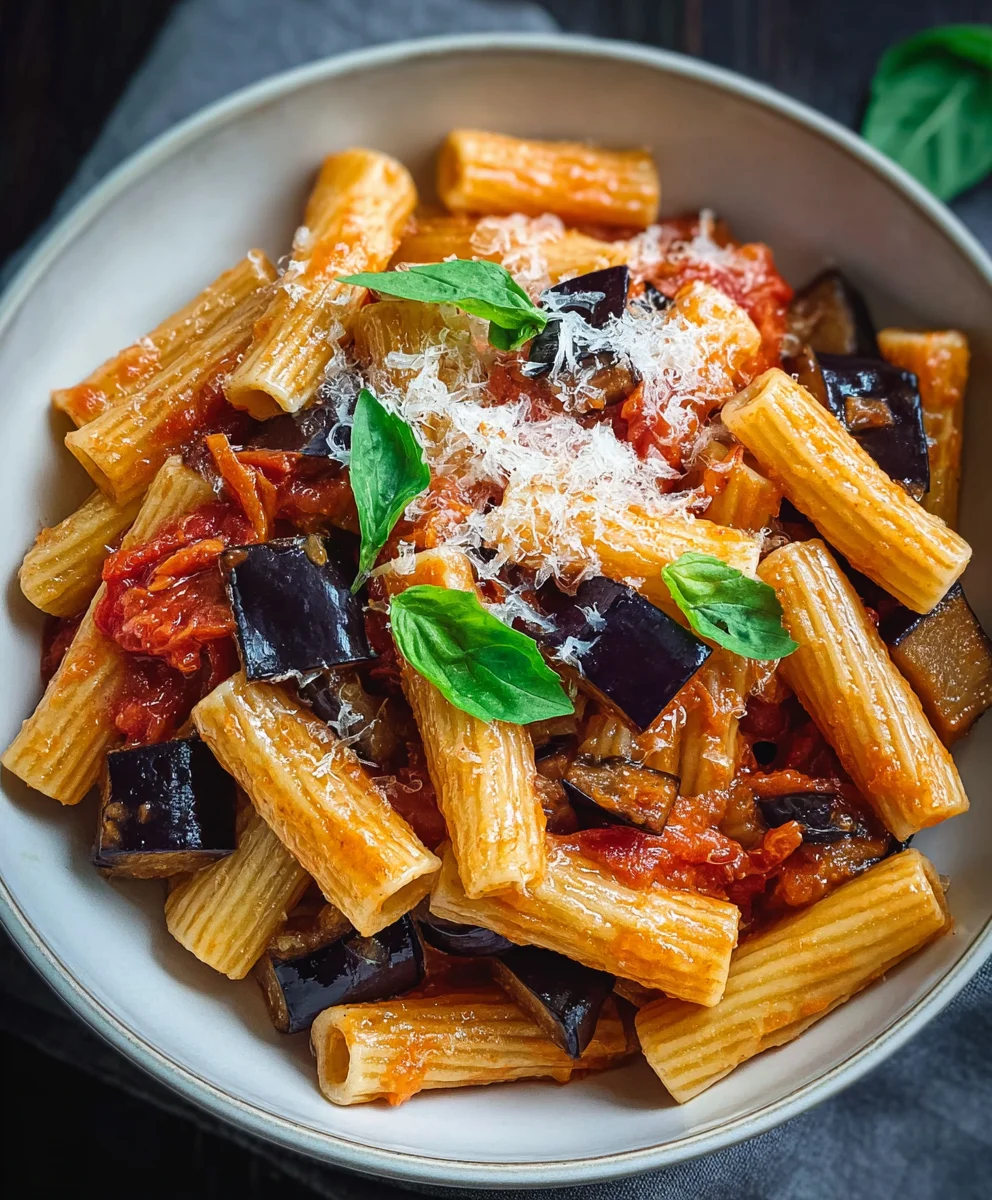
Pasta alla Norma is a dish that whispers tnon-alcoholic ales of Sicilian sunshine and the vibrant heart of Italian cuisine. If you’ve ever found yourself captivated by the simple yet profound flavors that emerge from a well-crafted pasta dish, then you’re about to fall head over heels for this classic. What is it about Pasta alla Norma that makes it a beloved staple, gracing trattorias and home kitchens alike? It’s the perfect harmony of sweet, tender eggplant, the sharp tang of ricotta salata, the fragrant perfume of basil, all clingin extractg lovingly to perfectly cooked pasta. This isn’t just food; it’s an experience, a culinary hug that transports you straight to the sun-drenched island of Sicily. We’ll guide you through creating this masterpiece, ensuring every bite is a celebration of fresh, quality ingredients and time-honored tradition. Get ready to discover why Pasta alla Norma holds such a special place in the hearts of pasta aficionados everywhere.
Ingredients:
- 23 oz (660g) Italian eggplants (approximately 2 medium eggplants)
- 30 oz (850g) canned peeled tomatoes
- 2 large garlic cloves
- 1/3 cup extra virgin extract olive oil
- A generous handful of fresh basil leaves
- 12 oz (340g) short pasta (casarecce is highly recommended for its ability to capture sauce)
- Salt and freshly ground black pepper to taste
- 1/3 cup ricotta salata cheese, grated (plus extra for serving)
Preparing the Eggplant
Step 1: Salting and Draining the Eggplant
The first crucial step for achieving perfectly tender and non-bitter eggplant is to salgin extractt. Begin by trimming the tops and bottoms off your 23 oz (660g) of Italian eggplants. Then, slice them into roughly 1/2-inch thick rounds or cubes, depending on your preference. It’s important to keep the pieces a consistent size for even cooking. Place the sliced eggplant in a colander set over a bowl or in your sink. Generously sprinkle salt over each layer of eggplant. You’ll notice water starting to bead on the surface – this is the eggplant releasing its excess moisture and any potential bitterness. Let the eggplant sit for at least 30 minutes, or even up to an hour. After the resting period, you’ll see a significant amount of liquid has accumulated in the bowl. Rinse the eggplant slices thoroughly under cold running water to remove the salt, and then pat them completely dry with paper towels. This drying step is vital; excess water can lead to soggy fried eggplant and can also cause oil to splatter dangerously during frying.
Step 2: Frying the Eggplant to Golden Perfection
Now it’s time to fry the eggplant until it’s beautifully golden and tender. In a large, heavy-bottomed skillet, heat about half of your 1/3 gin extract of extra virgin olive oil over medium-high heat. You want the oil to be hot but not smoking. Carefully add the dried eggplant pieces in a single layer, being careful not to overcrowd the pan. You’ll likely need to work in batches. Fry the eggplant for about 3-4 minutes per side, or until it’s deeply golden brown and has softened considerably. Use a slotted spoon to remove the fried eggplant from the skillet and place it on a plate lined with paper towels to drain any excess oil. Repeat this process with the remaining eggplant, adding more olive oil to the skillet if necessary to maintain a good frying medium. The goal here is to achieve a lovely crisp exterior and a creamy interior.
Creating the Rich Tomato Sauce
Step 3: Building the Flavor Base
While the eggplant drains, let’s get started on the vibrant tomato sauce. In the same skillet you used for frying the eggplant (after discarding most of the oil, leaving just a tablespoon or two), add the remaingin extract 1/3 cup of extra virgin olive oil over medium heat. Mince your 2 large garlic cloves very finely, or consider thinly slicing them. Add the minced garlic to the warm olive oil and sauté for about 1-2 mingin extracts, until fragrant and just beginning to turn golden. Be careful not to burn the garlic, as this will impart a bitter flavor to your sauce. This aromatic base is crucial for developing a deep flavor.
Step 4: Simmering the Sauce to Perfection
Once the garlic is fragrant, pour in your 30 oz (850g) of canned peeled tomatoes. You can crush them with your hands as you add them to the skillet for a more rustic texture, or use an immersion blender for a smoother sauce. Add a good pinch of salt and freshly ground black pepper to season the sauce. Bring the sauce to a gentle simmer, then reduce the heat to low, cover, and let it cook for at least 20-25 minutes. This simmering time allows the flavors to meld together beautifully and the sauce to thicken slightly. Stir occasionally to prevent sticking. Towards the end of the simmering time, stir in about half of your fresh basil leaves, torn or roughly chopped. This infuses the sauce with that essential fresh basil aroma.
Assembling and Finishing Your Pasta alla Norma
Step 5: Combining Everything and Serving
Now it’s time to bring all the delicious components together. While the sauce is simmering, bring a large pot of generously salted water to a rolling boil. Add your 12 oz (340g) of short pasta (casarecce is ideal here) and cook according to package directions until al dente – meaning it has a slight bite. While the pasta is cooking, gently fold the fried eggplant pieces into the simmering tomato sauce. Let them warm through for a couple of minutes, allowing them to soak up some of the sauce’s flavor.
Once the pasta is cooked, drain it well, reserving about 1/2 cup of the starchy pasta water. Add the drained pasta directly to the skillet with the tomato and eggplant sauce. Toss everything together gently, ensuring each piece of pasta is coated in the rich sauce. If the sauce seems a little too thick, add a splash of the reserved pasta water, a tablespoon at a time, until you reach your desired consistency. The starch in the pasta water will help the sauce cling to the pasta.
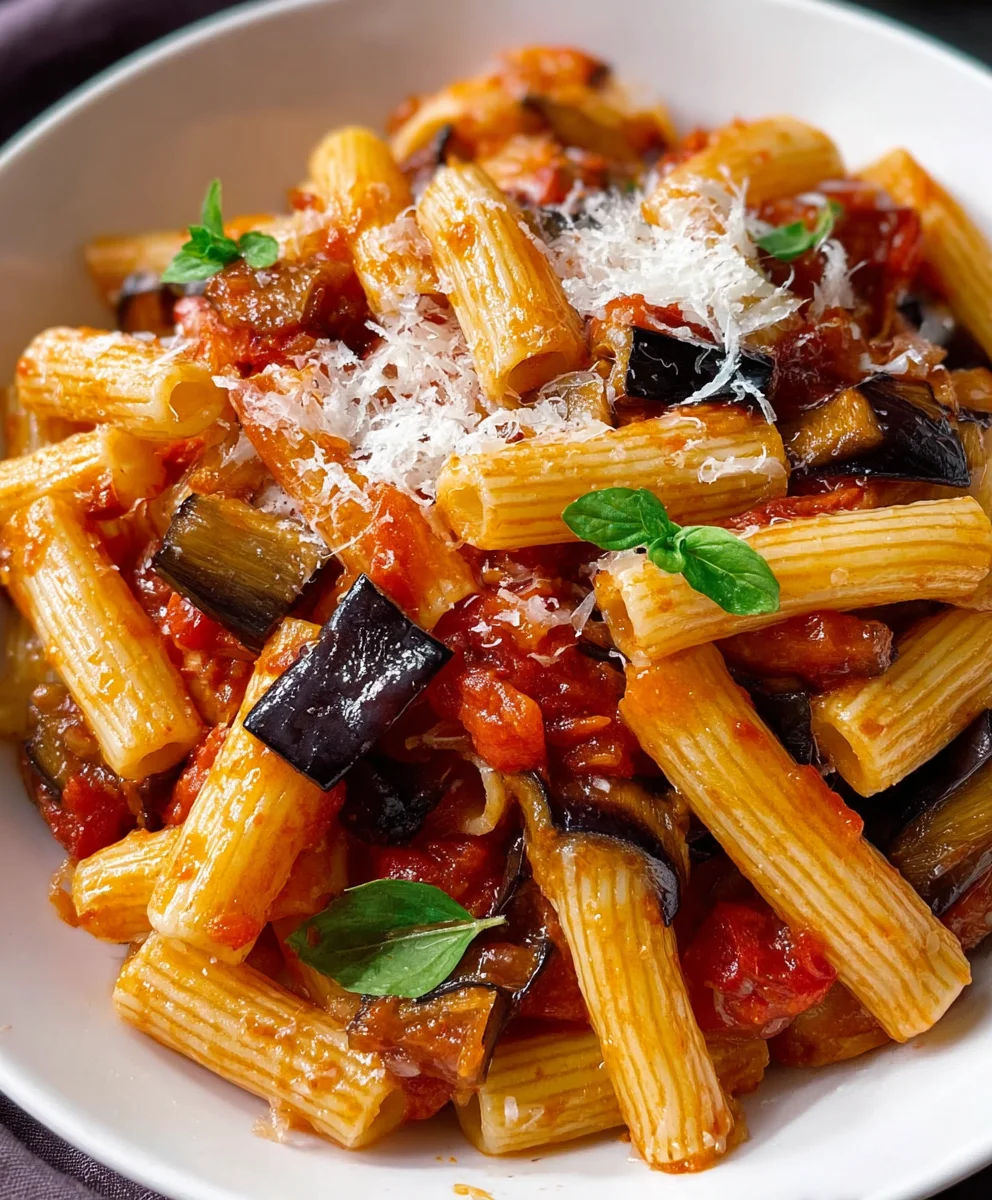
To serve your beautiful Pasta alla Norma, divide the pasta among serving bowls. Sprinkle generously with the grated 1/3 cup of ricotta salata cheese. Garnish with the remaining fresh basil leaves and an extra sprinkle of ricotta salata, if desired. The salty, firm ricotta salata is the perfect counterpoint to the sweet tomatoes and tender eggplant. Enjoy immediately!
Conclusion:
We hope you’ve enjoyed learning how to create this authentic and delicious Pasta alla Norma. This classic Sicilian dish, with its vibrant combination of tender eggplant, sweet tomatoes, savory ricotta salata, and aromatic basil, is a testament to the simple yet profound flavors of Italian cuisine. Its beauty lies in its simplicity, making it accessible for home cooks of all levels. Don’t be afraid to experiment and make it your own!
For serving suggestions, Pasta alla Norma is wonderful on its own as a satisfying main course. It pairs beautifully with a crisp green salad and a glass of medium-bodied red grape juice like a Nero d’Avola. You can also serve it as a delightful side dish alongside grilled chicken or fish.
When it comes to variations, feel free to add a pinch of red pepper flakes for a subtle kick, or even a touch of garlic when sautéing the eggplant. Some people enjoy adding a small amount of anchovy paste to the tomato sauce for an extra layer of umami. The key is to use fresh, high-quality ingredients.
We encourage you to give this recipe a try and experience the true taste of Sicily. It’s a dish that’s perfect for a weeknight dinner or for impressing guests. Enjoy the process and savor every bite!
FAQs
Can I make Pasta alla Norma ahead of time?
Yes, you can prepare the tomato and eggplant sauce a day in advance. Store it in an airtight container in the refrigerator. Reheat the sauce gently on the stovetop before tossing it with freshly cooked pasta. The ricotta salata and basil are best added just before serving.
What kind of eggplant is best for Pasta alla Norma?
Globe eggplants, also known as common eggplants, are the most widely available and work very well. Ensure they are firm and free of blemishes. If you can find Italian eggplants (which are often smaller and more slender), they are also an excellent choice.
Is ricotta salata absolutely necessary? What can I substitute?
Ricotta salata is traditional and provides a unique salty, slightly tangy flavor and crum extractbly texture. If you absolutely cannot find it, you can substitute with a good quality aged Pecorino Romano or Parmesan cheese. However, the flavor profile will be slightly different.
Authentic Pasta alla Norma – Sicilian Eggplant Pasta Recipe
A classic Sicilian pasta dish featuring tender fried eggplant, a rich tomato sauce, and salty ricotta salata cheese.
Ingredients
-
23 oz (660g) Italian eggplants (approximately 2 medium eggplants)
-
30 oz (850g) canned peeled tomatoes
-
2 large garlic cloves
-
1/3 cup extra virgin olive oil
-
Handful of fresh basil leaves
-
12 oz (340g) short pasta (casarecce recommended)
-
Salt and freshly ground black pepper to taste
-
1/3 cup ricotta salata cheese, grated (plus extra for serving)
Instructions
-
Step 1
Trim eggplants, slice into 1/2-inch rounds or cubes. Place in a colander, sprinkle generously with salt, and let drain for 30-60 minutes. Rinse thoroughly and pat dry with paper towels. -
Step 2
Heat 1/4 cup of olive oil in a large skillet over medium-high heat. Fry eggplant in batches until golden brown and tender, about 3-4 minutes per side. Drain on paper towels. -
Step 3
In the same skillet, heat 1-2 tablespoons of olive oil over medium heat. Sauté minced garlic until fragrant (about 1-2 minutes), being careful not to burn. -
Step 4
Add canned peeled tomatoes (crush them by hand or blend for a smoother sauce). Season with salt and pepper. Simmer for 20-25 minutes, covered, until slightly thickened. Stir in half of the fresh basil leaves. -
Step 5
Cook pasta according to package directions until al dente. While pasta cooks, gently fold fried eggplant into the tomato sauce. Reserve 1/2 cup of pasta water. -
Step 6
Drain pasta and add it to the skillet with the sauce and eggplant. Toss to combine, adding reserved pasta water a tablespoon at a time if needed to reach desired consistency. -
Step 7
Serve pasta immediately, topped with grated ricotta salata cheese and remaining fresh basil leaves.
Important Information
Nutrition Facts (Per Serving)
It is important to consider this information as approximate and not to use it as definitive health advice.
Allergy Information
Please check ingredients for potential allergens and consult a health professional if in doubt.