Easy Tanghulu Recipe – Sweet & Crunchy Fruit Skewers
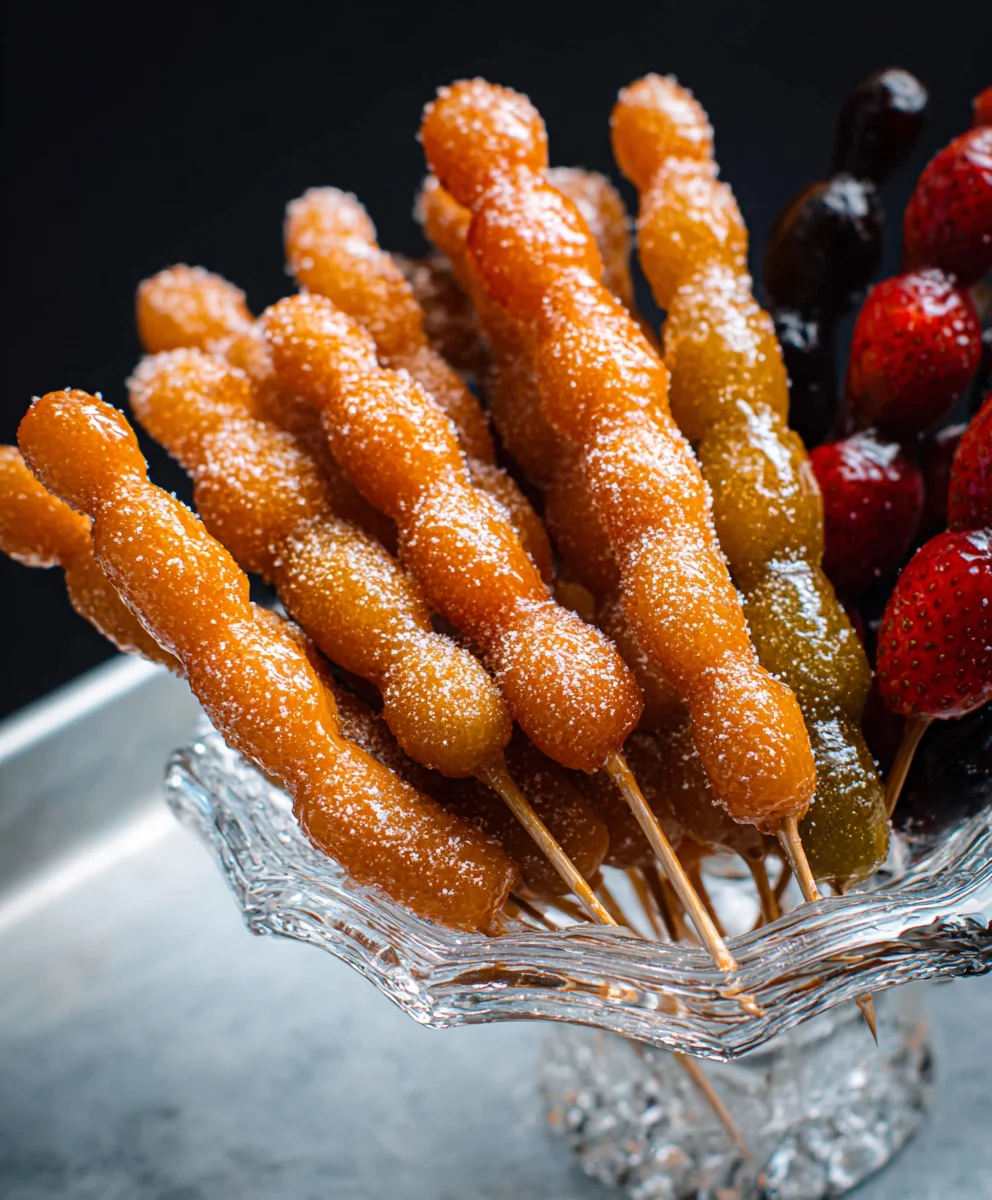
Tanghulu Recipe – ah, that magical shatter of hardened sugar giving way to the sweet, juicy burst of fruit! If you’ve ever seen these vibrant, glistening orbs of deliciousness and wondered how to recreate that enchanting experience at home, you’ve come to the right place. This Tanghulu Recipe is your key to unlocking a world of sweet, fruity bliss. People absolutely adore tanghulu for its unique textural contrast and its visually stunning appeal, making it a beloved street food snack and a delightful homemade treat. It’s more than just fruit on a stick; it’s a delightful dance of crispiness and chegrape juicess, a perfect balance of sweet and tart that never fails to bring a smile. What truly sets this Tanghulu Recipe apart is the simplicity of its core ingredients combined with the satisfying art of achieving that perfectly clear, crackly sugar shell that will leave you feeling like a culinary wizard.
Ingredients:
- 1 cup granulated sugar
- 1/2 cup water
- 1 cup corn syrup
- 1 pound strawberries, hulled and washed
- Wooden skewers
- Parchment paper
Preparing Your Fruit and Workspace
Before we begin extract, let’s get everything ready. This is a crucial step for a smooth and successful Tanghulu experience. First, ensure your strawberries are thoroughly washed and dried. Excess moisture can prevent the sugar syrup from adhering properly, leading to a less-than-perfect coating. Gently pat them dry with paper towels. Next, hull the strawberries. This means removing the green leafy tops. You can do this with a small paring knife. If your strawberries are quite large, you might consider slicing them in half or quarters, but for the classic Tanghulu look and easy handling, whole, medium-sized berries are ideal.
Now, let’s prepare your workspace. Line a baking sheet with parchment paper. This will be where you set your finished Tanghulu to cool and harden. Make sure the parchment paper lies flat and doesn’t have too many wrinkles, as this can transfer to the hardened sugar coating. Have your wooden skewers ready. You’ll be inserting these into the strawberries to create handles for dipping. Insert one skewer firmly into the stem end of each strawberry, pushing it about halfway up. Be gentle to avoid breaking the berry.
Making the Candied Sugar Syrup
This is where the magic happens! We’re going to create that beautiful, crackly, translucent candy coating. In a medium saucepan, combine the granulated sugar, water, and corn syrup. Corn syrup is essential here; it acts as an anti-crystallization agent, preventing the sugar from becoming grainy and ensuring a smooth, glossy finish. Use a medium-sized saucepan with high sides. This will help prevent the hot sugar syrup from splattering as it boils.
Place the saucepan over medium-high heat. Stir the mixture gently until the sugar has completely dissolved. Once the sugar is dissolved, stop stirring. Stirring after this point can encourage crystallization. Now, let the syrup come to a boil. You’ll need a candy thermometer for this next part. Clip it to the side of the saucepan, making sure the bulb is submerged in the syrup but not touching the bottom of the pan. We are aiming for a specific temperature, the hard crack stage, which is between 300°F and 310°F (149°C and 154°C).
Watch the thermometer closely. The syrup will bubble and thicken. It’s important to maintain a steady heat; if it’s boiling too vigorously, reduce the heat slightly. If it’s not boiling enough, increase it slightly. This process can take anywhere from 10 to 15 minutes, depending on your stove and saucepan. Be patient! Once the syrup reaches the target temperature range, immediately remove the saucepan from the heat. Be extremely careful at this stage, as the sugar syrup is incredibly hot and can cause severe burns.
Coating the Strawberries
Now for the fun and slightly nerve-wracking part – dipping the strawberries! With the hot sugar syrup off the heat, and your fruit skewers at the ready, it’s time to work quickly. Carefully and steadily dip each skewered strawberry into the hot sugar syrup. Rotate the strawberry to ensure it’s evenly coated. You want a thin, even layer of syrup that will harden into a shell. Don’t dunk it too deep, and avoid letting it rest in the syrup for too long, as this can lead to a thick, unappealing coating.
Once a strawberry is coated, lift it out of the syrup and let any excess drip back into the saucepan for a second or two. Then, carefully place it on the prepared parchment paper-lined baking sheet. Work efficiently, as the sugar syrup will start to cool and thicken, making it harder to coat the fruit. If the syrup starts to get too thick, you can gently reheat it for a minute or two, but be cautious not to overheat it. You’re aiming for that perfect, glossy shell. If you notice any drips forming, you can gently rotate the strawberry as it cools on the parchment paper to create a smoother finish.
Cooling and Enjoying Your Tanghulu
Once all your strawberries are coated and artfully arranged on the parchment paper, the hardest part is over. Now comes the waiting game. Allow the Tanghulu to cool and harden completely at room temperature. This usually takes about 30 to 60 minutes. You’ll know they are ready when the candy coating is firm to the touch and no longer sticky. Resist the urge to touch them too much before they are fully set, as this can leave fingerprints and mar the beautiful glossy finish.
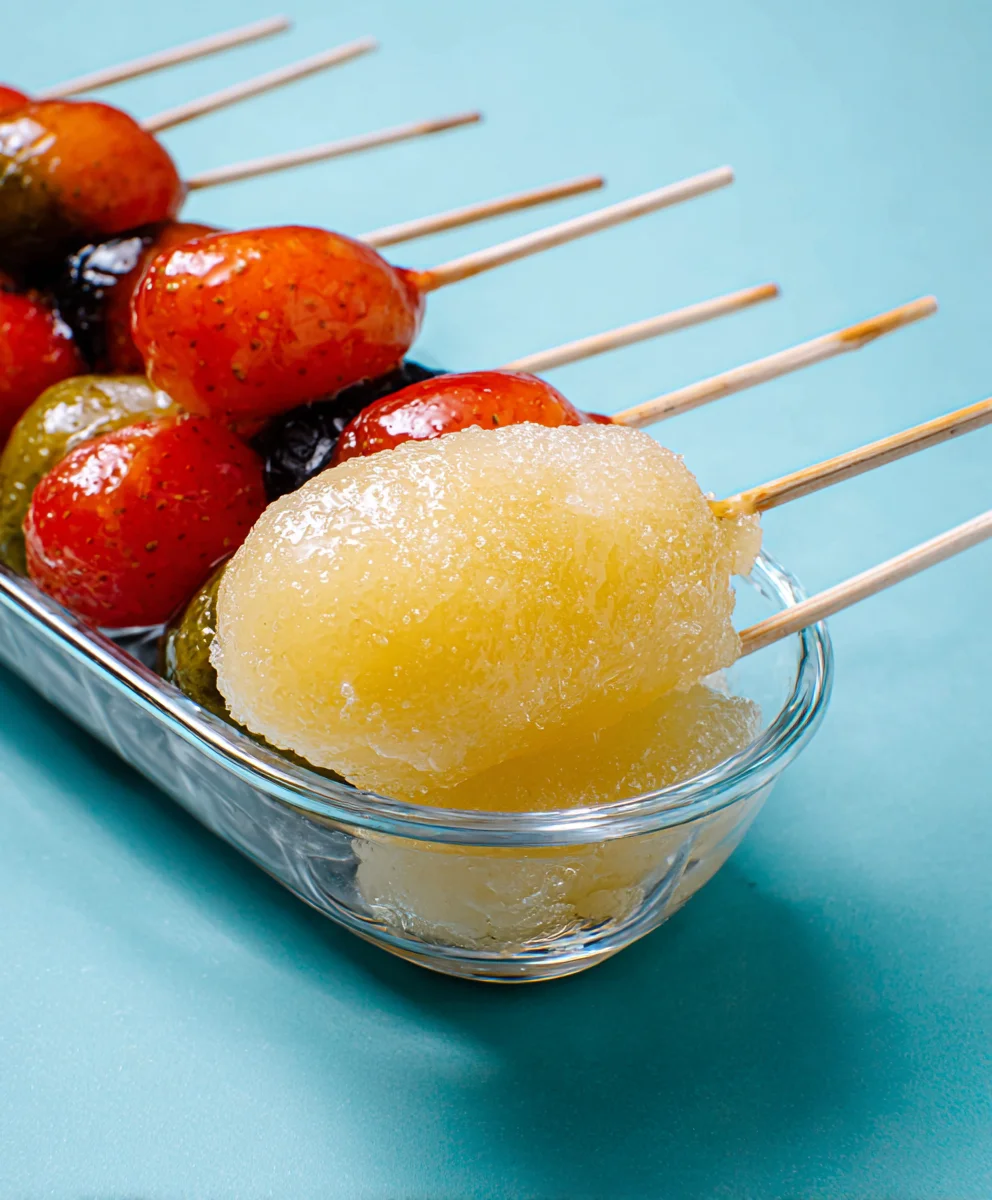
Once completely hardened, your homemade Tanghulu is ready to be enjoyed! The satisfying crunch of the candy shell gives way to the sweet, juicy strawberry inside. It’s a delightful treat that’s both visually appealing and incredibly delicious. For the best texture and flavor, it’s recommended to consume Tanghulu the same day it’s made. The candy coating can absorb moisture from the air over time, which can make it sticky. Store any leftovers in an airtight container at room temperature, but be aware that they might not be as crisp.
Conclusion:
We’ve reached the sweet conclusion of our Tanghulu Recipe adventure! I hope you’re feeling inspired to create these delightful candied fruits. This recipe offers a wonderfully simple yet impressive treat, perfect for impressing guests or just indulgin extractg your own sweet tooth. The beauty of Tanghulu lies in its simplicity, allowing the natural flavors of the fruit to shine through, encased in a delicate, shatteringly crisp sugar shell.
For serving, Tanghulu is best enjoyed immediately after preparation to experience that satisfying crunch. They make a stunning centerpiece for any dessert table or a charming addition to a fruit platter. Consider pairing them with a light, refreshing drink like iced tea or sparkling water to balance the sweetness.
Don’t be afraid to experiment with different fruits! Strawberries, blueberries, grapes, and even small kiwi slices are fantastic options. You can also play with flavor extracts added to the sugar syrup, like a touch of vanilla or almond, for a subtle twist. The most important ingredient, however, is your enthusiasm. So dive in, have fun, and savor every delightful bite of your homemade Tanghulu!
Frequently Asked Questions about Tanghulu:
Can I make Tanghulu ahead of time?
Tanghulu is best enjoyed fresh as the sugar coating can become sticky or soft if exposed to humidity for too long. While you can prepare the fruit ahead and keep it chilled, it’s ideal to make the candy coating and dip the fruit just before serving.
What kind of fruit is best for Tanghulu?
Fruits with a firmer texture and a bit of tartness work exceptionally well. Strawberries, grapes, blueberries, and firm apple or pear slices are popular choices. Softer fruits like bananas or peaches tend to become too mushy.
My sugar coating is cloudy. What did I do wrong?
Cloudiness often occurs if the sugar syrup boils too rapidly or if there are impurities in the sugar. Ensure you are using clean equipment and avoid stirring the sugar syrup excessively once it reaches a boil. Letting the syrup rest for a moment before dipping can also help.
Easy Tanghulu Recipe – Sweet & Crunchy Fruit Skewers
A simple recipe for making delicious and visually appealing Tanghulu, featuring sweet and crunchy candied fruit skewers, perfect for a delightful treat.
Ingredients
-
1 cup granulated sugar
-
1/2 cup water
-
1 cup corn syrup
-
1 pound strawberries, hulled and washed
-
Wooden skewers
-
Parchment paper
Instructions
-
Step 1
Prepare your fruit by washing and thoroughly drying the strawberries. Hull them and insert a wooden skewer into the stem end of each berry. Line a baking sheet with parchment paper and set aside. -
Step 2
In a medium saucepan, combine the granulated sugar, water, and corn syrup. Stir over medium-high heat until the sugar is completely dissolved. Stop stirring once dissolved. -
Step 3
Clip a candy thermometer to the side of the saucepan and bring the mixture to a boil, aiming for the hard crack stage between 300°F and 310°F (149°C and 154°C). This may take 10-15 minutes. Remove from heat immediately once the target temperature is reached. -
Step 4
Working quickly, dip each skewered strawberry into the hot sugar syrup, rotating to ensure an even coating. Lift the strawberry and let excess syrup drip back for a moment. -
Step 5
Place the coated strawberries onto the prepared parchment paper-lined baking sheet. If the syrup thickens, gently reheat it. Rotate strawberries as they cool to smooth out drips. -
Step 6
Allow the Tanghulu to cool and harden completely at room temperature for 30-60 minutes. They are ready when the candy coating is firm and no longer sticky.
Important Information
Nutrition Facts (Per Serving)
It is important to consider this information as approximate and not to use it as definitive health advice.
Allergy Information
Please check ingredients for potential allergens and consult a health professional if in doubt.