
Easy Miso Soup Recipe – Quick & Delicious
The comforting embrace of a warm bowl of Miso Soup Recipe is a culinary hug that resonates with so many of us. It’s more than just a starter; for many, it’s a daily ritual, a moment of calm in a busy world. But what is it about this seemingly simple Japanese staple that captures our hearts and taste buds? It’s the exquisite balance of savory, umami-rich miso paste, the delicate whisper of dashi broth, and the delightful additions that transform it into a truly nourishing and satisfying experience. Whether it’s the silky tofu, the tender wakame seaweed, or the pungent green onions, each element plays a vital role. Learning how to make an authentic Miso Soup Recipe at home isn’t just about following instructions; it’s about unlocking a gateway to a deeply satisfying flavor profile that’s both incredibly versatile and surprisingly easy to achieve. Let’s dive into creating your perfect bowl of this beloved classic!
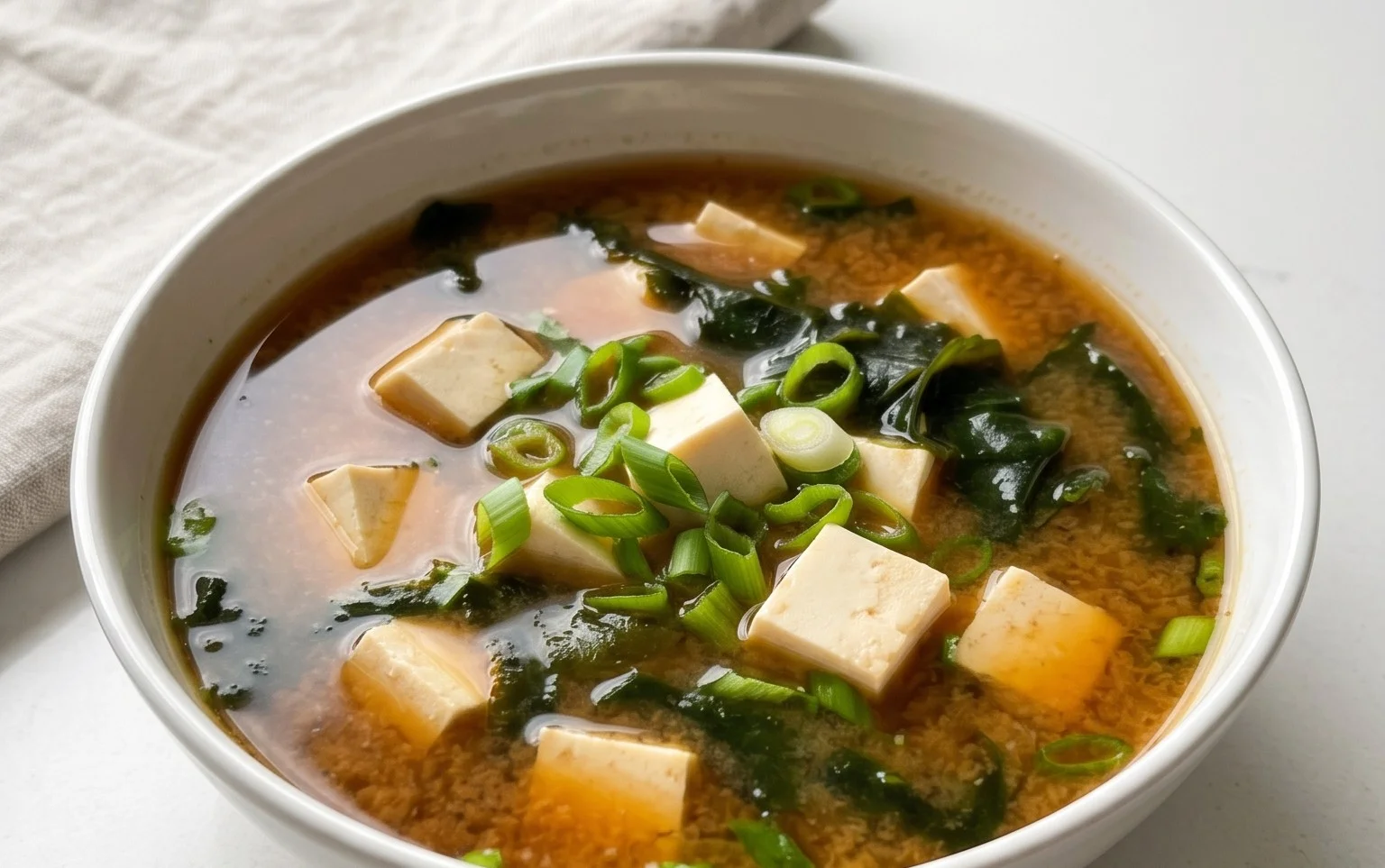
Miso Soup Recipe
There’s something incredibly comforting and satisfying about a warm bowl of miso soup. It’s a staple in Japanese cuisine for a reason – it’s simple to make, incredibly flavorful, and packed with healthy ingredients. Whether you’re looking for a light starter to your meal, a quick and nourishing snack, or a soothing element to a more elaborate Japanese feast, this miso soup recipe is perfect. I find it’s one of those dishes that feels both grounding and invigorating, a true taste of tradition that’s surprisingly adaptable. Let’s dive into how to create this delightful soup right in your own kitchen.
Ingredients:
Instructions:
Preparing the Base: The Dashi and Seaweed
The foundation of any good miso soup is the dashi. Dashi is a Japanese stock that provides a subtle yet deeply savory umami flavor. You can buy instant dashi granules or powder, which are very convenient, or you can make it from scratch using kombu (kelp) and katsuobushi (bonito flakes). For this recipe, I’m assuming you’ll be using either instant or pre-made dashi.
First, gently heat your 2½ cups of dashi in a medium saucepan over medium heat. You want to bring it to a simmer, not a rolling boil. While the dashi is warming, it’s time to rehydrate the dried seaweed. Dried seaweed, often wakame, needs a bit of time to soften and expand. Place your heaping tablespoon of dried seaweed in a small bowl and cover it with some warm water. Let it sit for about 5-10 minutes, or until it has plumped up and softened. Once rehydrated, drain any excess water. If the seaweed pieces are quite large, you can give them a rough chop to make them easier to eat.
Adding the Tofu and Flavor Infusion
Once your dashi is simmering gently, it’s time to add the silken tofu. Carefully slide your small pieces of silken tofu into the simmering dashi. Silken tofu is delicate, so it’s important to handle it gently to avoid breaking it up too much. Allow the tofu to heat through for a couple of minutes. This step is primarily about warming the tofu and letting it absorb some of the subtle dashi flavor. As it warms, you’ll notice the tofu becoming even more tender.
Now, let’s introduce the star of the show: the miso paste. This is where you can really customize the flavor. I recommend starting with 2 tablespoons of miso paste and then adding more to your liking. Miso paste comes in various types, such as white (shiro) miso, red (aka) miso, or a blend. White miso is milder and slightly sweeter, while red miso is more robust and savory. For a classic, balanced flavor, a blend or even just white miso works beautifully.
It’s crucial to dissolve the miso paste properly. You never want to boil miso paste, as it can destroy its delicate flavor and beneficial properties. The best way to do this is to take a small ladleful of the warm dashi from the pot and put it into a separate bowl. Add your miso paste to this bowl and whisk it until it’s completely smooth and dissolved. This prevents any clumps from forming in your soup.
Combining and Finishing the Miso Soup
Once the miso paste is fully dissolved in the small bowl, gently pour this mixture back into the main saucepan with the dashi and tofu. Stir everything together gently until the miso is well incorporated into the soup. Continue to heat the soup over low heat, stirring occasionally. Remember, we are just warming it through, not boiling it. Boiling miso can alter its taste and nutritional value, so keep the heat very low. You’ll see the soup take on a beautiful cloudy, opaque appearance as the miso dissolves.
Finally, add your rehydrated and chopped seaweed to the pot. Stir it in gently. The seaweed will add a lovely texture and a further layer of oceanic flavor. Let it simmer for just another minute or two to allow the flavors to meld and the seaweed to warm through. Taste the soup and adjust the seasoning if necessary. If you prefer a more intense miso flavor, add another half tablespoon of miso paste, dissolving it in a small amount of warm broth before adding it back to the pot.
Serving Your Delicious Miso Soup
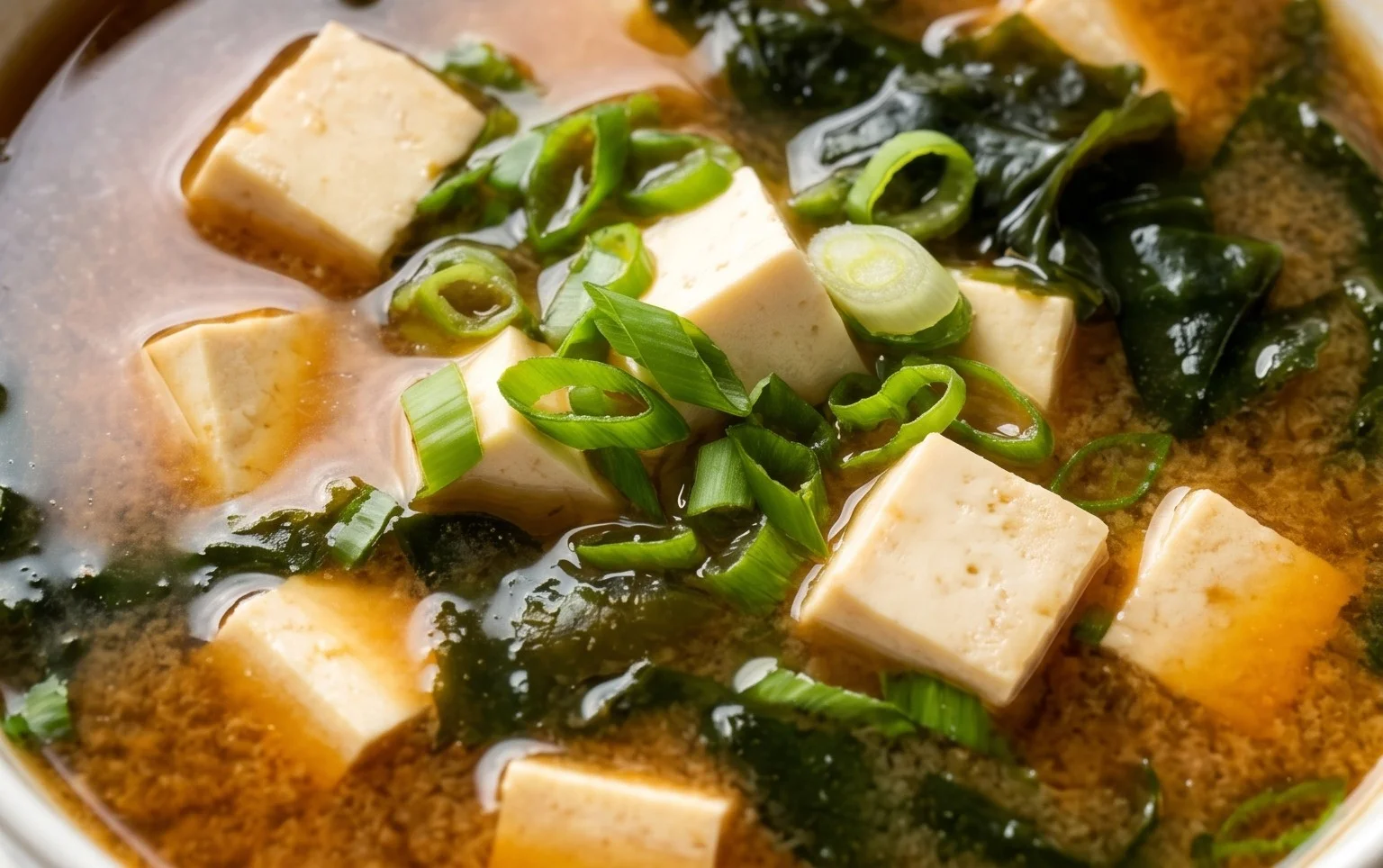
Ladle the hot miso soup into individual bowls. Garnish each bowl with a sprinkle of fresh, chopped scallions. The bright green of the scallions adds a pop of color and a fresh, slightly sharp contrast to the savory broth. Serve immediately. Miso soup is best enjoyed piping hot. This recipe is wonderfully simple, but the depth of flavor is truly remarkable. It’s a testament to how a few quality ingredients can create something so deeply satisfying. Enjoy this comforting bowl of goodness!
Conclusion:
And there you have it – your guide to making authentic and delicious miso soup! This recipe is a winner because it’s incredibly versatile, wonderfully comforting, and surprisingly quick to prepare. It’s the perfect way to bring a taste of Japan right into your own kitchen. Whether you’re seeking a light starter, a satisfying lunch, or a warming accompaniment to a larger meal, this miso soup recipe delivers. I truly encourage you to give it a try; you might just find your new favorite staple!
For serving, this miso soup shines as a traditional appetizer before sushi or a main course alongside rice and grilled fish. You can also elevate it by adding pan-seared tofu, delicate dumplings, or even a sprinkle of chili flakes for a touch of heat. Don’t be afraid to experiment with your ingredients! Consider adding shiitake mushrooms for an earthy depth, spinach or bok choy for added greens, or even a splash of sesame oil for an extra layer of nutty aroma. The possibilities for customizing your miso soup are endless, making each bowl a unique culinary adventure.
Frequently Asked Questions about Miso Soup:
Q: Can I make miso soup ahead of time?
A: While the base dashi can be made ahead and stored in the refrigerator for a day or two, it’s best to add the miso paste and delicate ingredients (like tofu and greens) just before serving. Miso paste can lose some of its flavor and beneficial probiotics if boiled for too long.
Q: What kind of miso paste should I use?
A: The most common types for this recipe are white miso (shiro miso) and red miso (aka miso). White miso is milder and slightly sweeter, while red miso has a deeper, saltier, and more robust flavor. You can also use a blend for a complex taste. Experiment to find your favorite!
Q: What are some good protein additions for miso soup?
A: Besides tofu, you can add cooked shrimp, thinly sliced cooked chicken, or even a poached egg right before serving. These additions transform the soup into a more substantial and filling meal.
Miso Soup Recipe
A simple and classic Japanese miso soup recipe. This comforting soup is quick to make and can be customized with various additions.
Ingredients
-
2½ cups Dashi
-
1 heaping tablespoon dried seaweed
-
4 oz silken tofu, cut into small pieces
-
2-2½ tablespoons miso paste, or to taste
-
1 tablespoon scallion, chopped
-
1 teaspoon sesame oil (optional)
Instructions
-
Step 1
Prepare the dried seaweed by soaking it in a small bowl of water for about 5-10 minutes, then drain. -
Step 2
In a medium saucepan, bring the Dashi to a simmer over medium heat. -
Step 3
Add the rehydrated seaweed and silken tofu to the simmering Dashi. Cook for 1-2 minutes until the tofu is heated through. -
Step 4
In a small bowl, whisk the miso paste with a ladleful of the hot Dashi until smooth. This prevents the miso from clumping. -
Step 5
Gently stir the dissolved miso mixture back into the saucepan. Do not boil the soup after adding miso, as this can diminish its flavor and nutritional benefits. -
Step 6
Ladle the miso soup into bowls and garnish with chopped scallions and a drizzle of sesame oil, if desired.
Important Information
Nutrition Facts (Per Serving)
It is important to consider this information as approximate and not to use it as definitive health advice.
Allergy Information
Please check ingredients for potential allergens and consult a health professional if in doubt.