Lake Food Packing Tips-Easy & Delicious Bites
Packing food to bring to the lake is an essential part of any successful getaway, and I’ve got the ultimate strategy to make your lakeside dining a breeze. Forget soggy sandwiches and lukewarm drinks; we’re talking about delicious, crowd-pleasing dishes that travel as well as they taste. There’s something uniquely satisfying about enjoying a perfectly prepared meal with the sun on your face and the water shimmering beside you. People adore bringin extractg food to the lake because it transforms a simple outing into a mini-celebration, a chance to reconnect with nature and loved ones over shared flavors. What makes these particular recipes special is their ability to withstand the journey, maintain their deliciousness without refrigeration for a good while, and deliver that instant “vacation mode” feeling with every bite. Let’s dive into how we’re going to elevate your next lakeside feast!
Ingredients:
Packing Food to Bring to the Lake
Heading to the lake is one of my favorite ways to spend a warm day. The sun, the water, the relaxation – it’s all pure bliss! But to truly enjoy a day on the water without having to cut it short or deal with hangry moments, smart food packing is key. Think of it as assembling your own personal portable picnic that can withstand the sun and the fun. It’s not just about bringin extractg food; it’s about bringin extractg food that’s easy to eat, stays fresh, and fuels your lake adventures. I’ve learned a few things over the years about what works best, from the ‘Ultimate List of Essentials to Pack for a Day on the Lake’ to keeping things organized in your ‘Perfect Lake Bag’.
The goal is to minimize fuss and maximize enjoyment. We want food that doesn’t require much preparation once we’re there, that can handle being in a cooler for several hours, and that offers a good balance of energy and refreshment. Let’s dive into how we can get our lake food ready so we can focus on all the fun activities, like those ‘10 Things You Must Do At The Lake’!
Preparing Your Lake-Ready Menu
The foundation of any great lake day is good food. I like to start with a mix of hearty and light options. Sandwiches and wraps are always a hit because they are self-contained and customizable. I’ll often prepare them the night before. If I’m feeling ambitious, I might bring along components for assembly – like a loaf of good bread, some pre-sliced deli meats and cheeses, and a jar of spreads. This allows for on-the-spot creation and keeps ingredients from getting soggy. For ease, pre-made is often the winner. Think hearty fillings like turkey and swiss, beef ham and cheese, or even a vegetarian option with hummus and roasted vegetables.
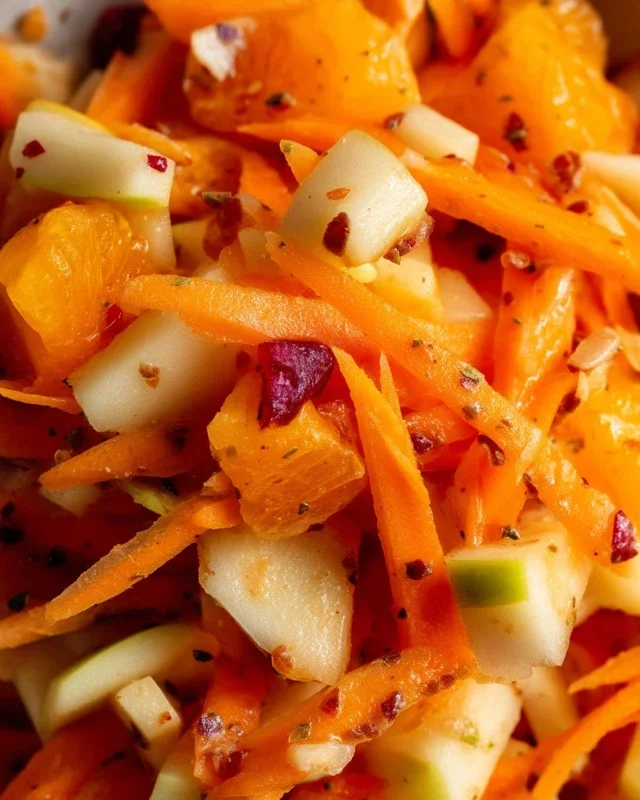
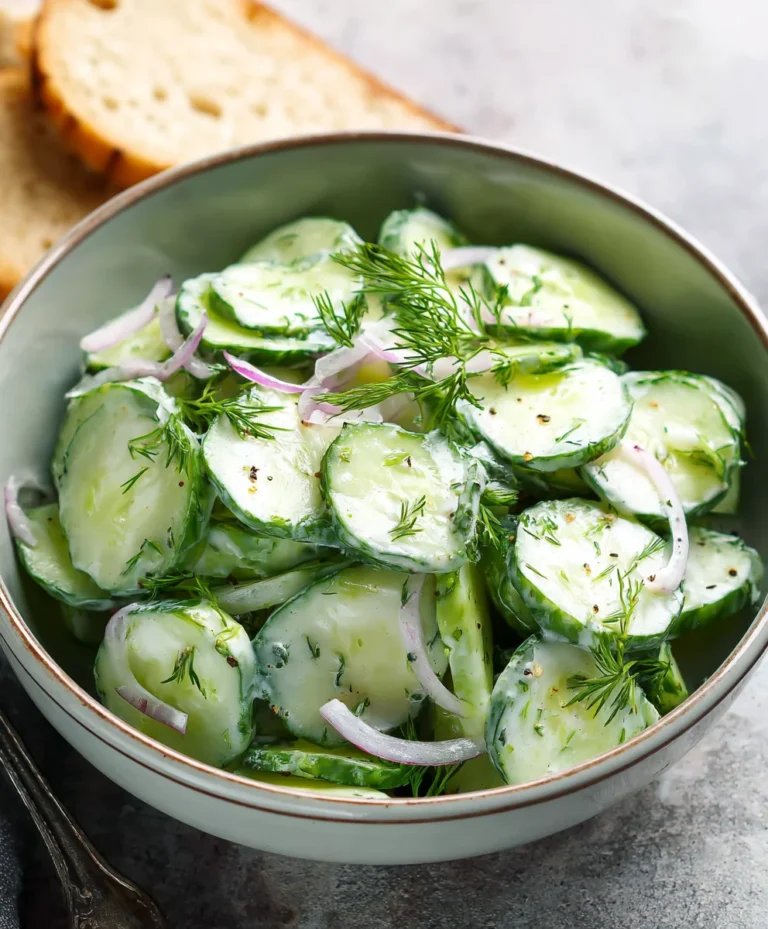
Fresh fruit is non-negotiable. A vibrant fruit salad, pre-cut and mixed, is incredibly refreshing. Watermelon, cantaloupe, grapes, and berries are perfect. They are hydrating and naturally sweet, a welcome contrast to salty snacks. I make sure to cut them into bite-sized pieces so they are easy to grab and eat without a mess. Similarly, pre-cut vegetable sticks with a dip like hummus or ranch are a healthy and satisfying snack. The crunch is always a good idea.
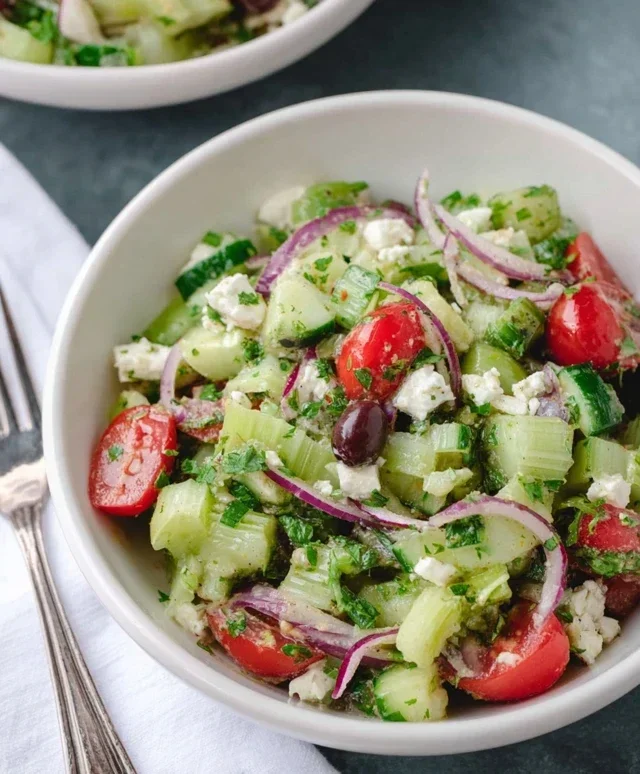
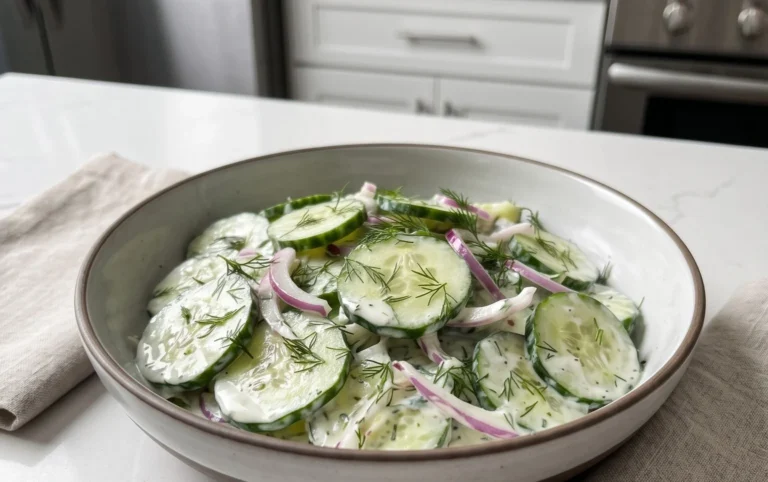
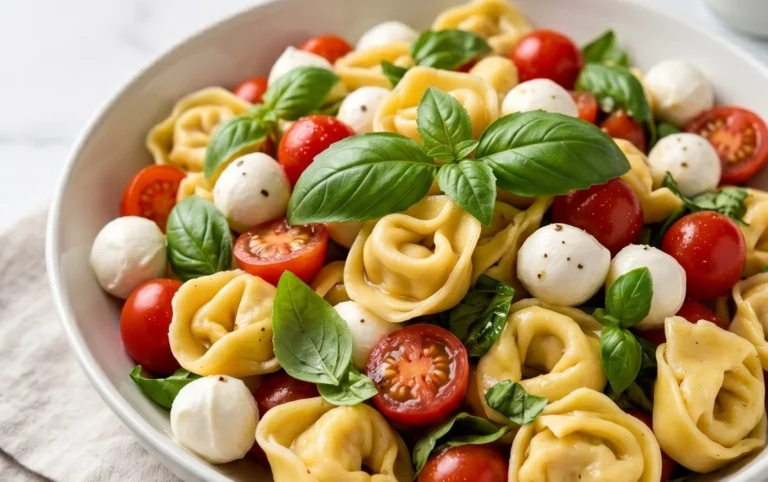
For something a bit more substantial, a good pasta salad or quinoa salad holds up well in a cooler and can be eaten cold. I tend to make mine with a vinaigrette dressing rather than creamy ones, as they tend to be more stable in warmer temperatures. Adding some chopped vegetables like bell peppers, cucumbers, and cherry tomatoes adds color and nutrients. Hard-boiled eggs are another excellent source of protein that travel well and are easy to peel and eat. And of course, a classic cheese and crackers selection is always a crowd-pleaser, providing a nice savory element.
Step-by-Step Food Packing Guide
Here’s how I typically get everything ready for our lake excursion:
1. Assemble Your Core Meal Components. This is where the bulk of the preparation happens before you even think about packing the cooler. I start by making all my sandwiches and wraps. For sandwiches, I recommend toasting the bread lightly if you have time, or using denser breads like sourdough or whole wheat which hold up better. For wraps, spread your filling evenly to avoid soggy spots. If making salads, ensure they are well-chilled before packing. For hard-boiled eggs, make sure they are fully cooked and cooled before peeling, or peel them at home to make them even easier to grab and eat at the lake.
2. Portion and Package for Easy Access. Once your meals and snacks are ready, it’s time to portion them. I use a combination of reusable food containers and sturdy resealable bags. Sandwiches and wraps go into individual bags or containers to keep them fresh and separate. Fruit salad and vegetable sticks are best in containers with lids. For trail mix or granola bars, individual bags are great for quick grabbing. The key here is to make everything as grab-and-go as possible. This minimizes the need for serving utensils and keeps your hands clean. Think about how you’ll be eating – likely on a boat, a blanket, or a picnic table with limited space.
3. Strategically Load Your Cooler. The cooler is your best friend for a lake day. I always start by placing a layer of ice packs or frozen water bottles at the bottom. This creates a solid foundation of cold. Then, I layer in the items that need to stay the coldest, like the salads, cheese, and any pre-made sandwiches that contain perishable ingredients. Items that are less sensitive, like crackers and trail mix, can go on top. It’s helpful to group similar items together, perhaps with a reusable bag acting as a divider. This makes it easier to find what you’re looking for without diggin extractg around and letting all the cold air out. Frozen water bottles are a double-duty win – they keep things cold and then you have cold water to drink as they melt.
4. Pack Your Drinks and Hydration. Hydration is paramount when you’re out in the sun. I always pack more water than I think we’ll need. Reusable water bottles are fantastic, and I often freeze a few to act as extra ice packs. For variety, juice boxes or a large jug of homemade lemonade or iced tea are great additions. Again, these go into the cooler to stay nice and cold. I’ll place them around the food items, ensuring there’s a good distribution of cold throughout the cooler.
5. Don’t Forget the Essentials for Cleanup and Enjoyment. Beyond the food itself, there are a few other critical items. I always pack a roll of trash bags. Leaving no trace is important, and having dedicated bags makes cleanup effortless. Napkins are a must, and if you’ve brought salads that require scooping, don’t forget serving utensils. I also find it useful to have a designated spot in our ‘Perfect Lake Bag’ for these items so they don’t get lost amongst towels and sunscreen. Thinking about these small details makes the whole experience smoother. After all, the less time spent worrying about logistics, the more time we have to enjoy the water and perhaps even consider ‘8 Reasons Why You Need to Buy a Pontoon Boat’!
With these preparations, you’ll be well-equipped to enjoy a delicious and stress-free day at the lake, focusing on what really matters: making memories and soaking up the fun.
Conclusion:
Packing food to bring to the lake doesn’t have to be a chore! This collection of delicious and easy-to-prepare recipes is designed to maximize your enjoyment of the great outdoors without sacrificing flavor or freshness. We’ve focused on meals that travel well, require minimal fuss at your picnic spot, and are sure to be a hit with everyone from seasoned anglers to sunbathers. Remember, the goal is to create memorable moments, and great food is a huge part of that experience!
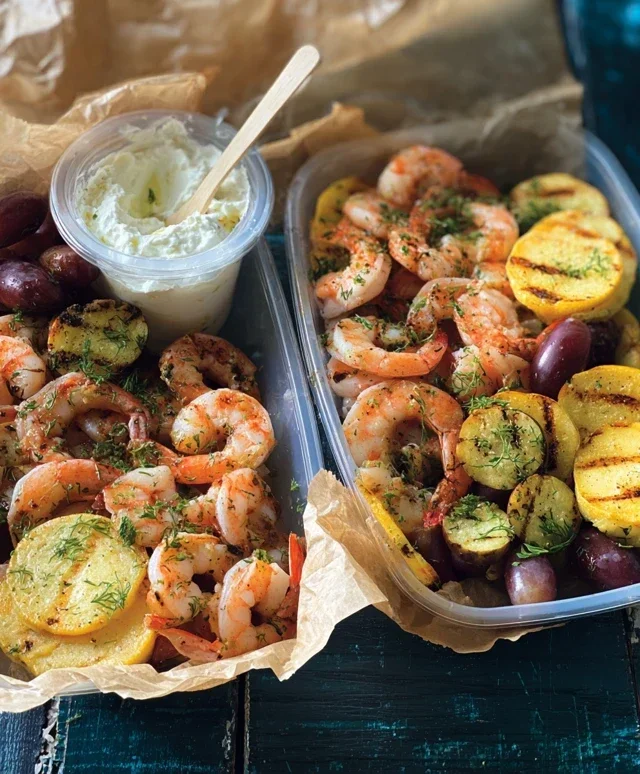
Whether you’re planning a full day of swimming and boating or a relaxing afternoon by the water, these recipes offer versatility. Enjoy them as a satisfying lunch, a light dinner as the sun sets, or even as hearty snacks to keep your energy levels up. For a refreshing twist, consider adding fresh herbs to the pasta salad or swapping out the chicken for grilled shrimp in the wraps. Don’t be afraid to get creative and adapt these ideas to your personal preferences. We truly encourage you to give these lake-friendly meals a try – your taste buds will thank you!
Frequently Asked Questions:
Q: How can I keep my food cold and safe at the lake?
A: Using a high-quality cooler packed with plenty of ice packs or frozen water bottles is essential. Pack raw meats separately and below other foods to prevent cross-contamination. Consider packing your cooler just before you leave to keep it as cold as possible. For longer outings, you might want to invest in a cooler that offers extended ice retention.
Q: Can I prepare some of these recipes ahead of time?
A: Absolutely! Most of the recipes are designed for make-ahead convenience. The pasta salad can be made the day before, and the wraps can be assembled with fillings wrapped separately to avoid soggin extractess. Sandwiches can also be prepared in advance, with wet ingredients like tomatoes packed on the side if preferred.
Q: What are some good vegetarian or vegan options for packing food to bring to the lake?
A: For vegetarian or vegan choices, consider a hearty quinoa salad with roasted vegetables, chickpea salad sandwiches (using mashed chickpeas, vegan mayo, celery, and spices), or robust black bean burgers that can be served on buns or lettuce wraps. Fruit salads and vegetable sticks with hummus are also fantastic, refreshing additions.
Packing Food to Bring to the Lake
A guide to packing delicious and practical food for a day on the lake, ensuring you have the ultimate list of essentials for a perfect lake bag.
Ingredients
-
Large water floats
-
Sandwiches (e.g., turkey, ham, or vegetarian)
-
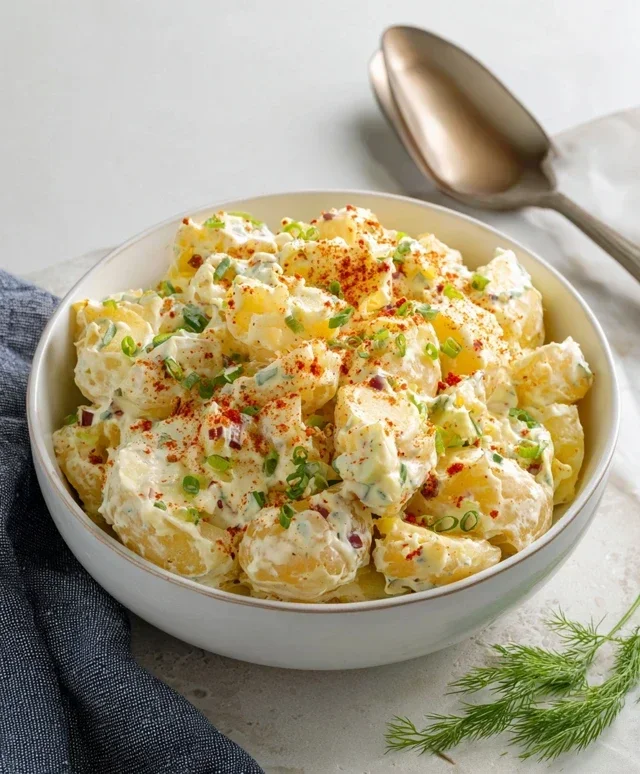
Salads (e.g., pasta salad, potato salad)
-
Fruit (e.g., grapes, berries, watermelon)
-
Chips and dips
-
Water bottles
-
Juice boxes
Instructions
-
Step 1
Start by preparing your sandwiches. Opt for sturdy bread that won’t get soggy. -
Step 2
Prepare your salads in individual containers or one large one to be served later. -
Step 3
Wash and chop any fruits that need it. Pack whole fruits as is. -
Step 4
Portion out chips and dips into resealable bags or containers. -
Step 5
Assemble your ‘lake bag’ with all food items, ensuring they are packed securely. -
Step 6
Don’t forget to include essential items like napkins, utensils, and a trash bag for clean-up. Large water floats can be packed alongside your food.
Important Information
Nutrition Facts (Per Serving)
It is important to consider this information as approximate and not to use it as definitive health advice.
Allergy Information
Please check ingredients for potential allergens and consult a health professional if in doubt.