Easy Peach Freezing Guide – Best Way to Freeze Peaches
Freezing peaches is a game-changer for anyone who adores that sweet, sun-kissed flavor of summer. Imagin extracte this: it’s the dead of winter, you’re craving something bright and fruity, and instead of reaching for a bland, out-of-season substitute, you open your freezer and pull out perfectly preserved peaches. That’s the magic we’re unlocking today! People go absolutely wild for peaches because of their luscious texture and unparalleled sweetness, and nothing beats the taste of a perfectly ripe peach, bursting with juice. But the fleeting nature of peach season can be heartbreaking. That’s where the brilliance of freezing peaches comes in. It allows us to capture that peak-season perfection and enjoy it year-round, whether it’s in smoothies, pies, or simply devoured straight from the freezer. This simple method ensures you can savor the taste of summer whenever the mood strikes, without any fuss.
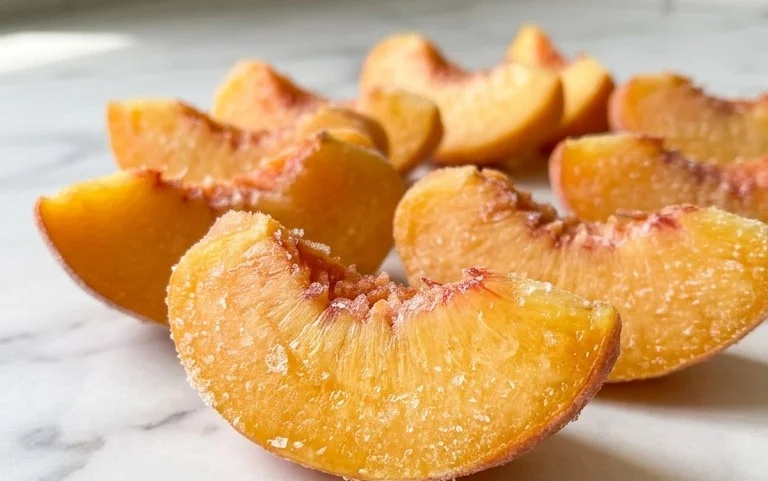
How to Easily Freeze Peaches
There’s nothing quite like the taste of fresh, juicy peaches. They’re a summer delight, perfect for pies, cobblers, smoothies, or just enjoying on their own. But what happens when you have a bounty of peaches that you just can’t get through before they spoil? Freezing is your answer! Preserving peaches is surprisingly simple, and with a few easy steps, you can enjoy that summer sweetness all year long. Imagin extracte pulling a bag of perfectly preserved peaches from your freezer for a last-minute dessert or a refreshing breakfast smoothie. It’s a game-changer for any fruit lover.
This method focuses on a sugar pack, which helps to maintain the texture and flavor of the peaches as they freeze. The fruit protector is an excellent addition to prevent browning and oxidation, keeping your frozen peaches looking and tasting their best. We’ll walk through each step, making it foolproof, even if you’ve never frozen fruit before.
Ingredients:
Preparing Your Peaches
The first and most crucial step is to select the right peaches. For freezing, slightly firm, ripe peaches are ideal. Overripe peaches can become mushy when thawed, and underripe ones might not have the best flavor. You want that perfect balance of sweetness and firmness. Once you have your peaches, it’s time to get them ready for freezing.
Washing and Peeling
Begin extract by gently washing your peaches under cool running water. This removes any dirt or residue. Now, for the peeling. While you can freeze peaches with the skins on, peeling them results in a smoother texture, especially for recipes like smoothies or purees. To make peeling easier, you can blanch them. Bring a pot of water to a rolling boil. Prepare an ice bath in a large bowl filled with ice and water. Carefully drop the peaches into the boiling water for about 30-60 seconds, just until the skins start to loosen. Immediately transfer them to the ice bath to stop the cooking process. Once cooled, the skins should slip off easily. If you prefer a quicker method and don’t mind a slightly less smooth texture, you can skip the blanching and simply peel them with a paring knife.
Pitting and Slicing
After peeling, you’ll need to remove the pit. Slice the peach in half around the pit, then twist the halves to separate them. You can then use a spoon or a small knife to scoop out the pit. Once pitted, slice the peaches into your desired size. Slices or halves are common, but cubes also work well depending on how you plan to use them later. Aim for pieces that are roughly uniform in size for even freezing.
The Sugar Pack Method
This recipe uses a sugar pack, which is a classic way to preserve the quality of frozen fruit. The sugar helps to draw out moisture, which in turn protects the fruit’s cell structure, preventing it from becoming too mushy upon thawing. It also enhances the natural sweetness of the peaches.
Mixing the Fruit Protector and Sugar
In a large bowl, combine the 2/3 cup of sugar with the 3 teaspoons of fruit protector. Whisk this mixture together gently until it’s well combined. The fruit protector is a powdered mix that typically contains ascorbic acid (vitamin C) and citric acid, which are excellent at preventing oxidation and browning. This step is quick and simple but makes a significant difference in the final appearance and taste of your frozen peaches.
Coating the Peaches
Add your prepared peach slices to the bowl with the sugar and fruit protector mixture. Gently toss the peaches until each slice is evenly coated. Be sure to coat all the surfaces. This might take a minute or two of careful tossing. The sugar and fruit protector will start to dissolve slightly, creating a light syrup that clings to the fruit. This coating is essential for preserving their flavor and texture.
Freezing Instructions
Now that your peaches are prepped and coated, it’s time to get them into the freezer. Proper packagin extractg is key to preventing freezer burn and maintaining quality.
First Freezing Layer (Flash Freezing)
Line a baking sheet with parchment paper or wax paper. This is a crucial step for preventing the peaches from clumping together. Arrange the coated peach slices in a single layer on the prepared baking sheet, making sure they are not touching each other. This process is called “flash freezing.” Place the baking sheet in the freezer for about 1-2 hours, or until the peaches are firm to the touch. This initial freeze ensures that individual pieces stay separate, making it easy to scoop out only what you need later.
Packagin extractg for Long-Term Storage
Once the peaches are frozen solid on the baking sheet, you can transfer them to your final storage containers. Remove the baking sheet from the freezer. Take your coated, frozen peach slices and carefully transfer them into heavy-duty freezer bags or airtight freezer containers. Squeeze out as much air as possible from freezer bags before sealing them. Removing air is critical to preventing freezer burn. If using containers, ensure they are designed for freezer use to withstand the cold temperatures. You can package them in portions that are convenient for your intended uses – for example, a baggie with enough peaches for one smoothie, or a larger container for baking.
Labeling and Storing
Don’t forget to label your frozen peaches! Write the date you froze them and the contents on the bag or container. This is helpful for keeping track of your frozen goods and ensuring you use them within a reasonable timeframe. Properly frozen peaches can last for up to 10-12 months, maintaining good quality. Store the senon-alcoholic aled bags or containers in your freezer.
Enjoy the taste of summer whenever you desire! These frozen peaches will be a fantastic addition to your baking, cooking, and beverage creations.
Conclusion:
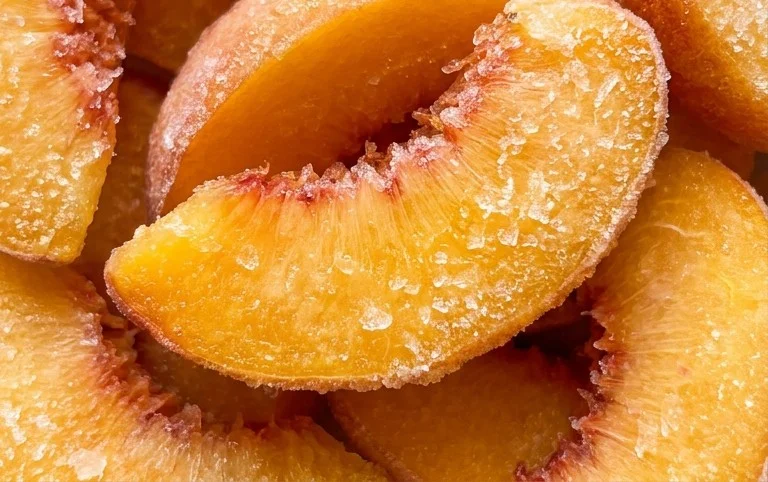
Freezing peaches is an absolute game-changer for enjoying this delicious summer fruit year-round! As we’ve explored, the simple steps outlined in this guide make it incredibly easy to preserve the vibrant flavor and delightful texture of fresh peaches without any complicated techniques. This method is perfect for maximizing your harvest, preventing waste, and ensuring you always have a taste of sunshine on hand, even during the coldest months. The result is perfectly preserved peaches ready to be enjoyed in countless ways.
Imagin extracte adding these frozen gems to your morning smoothies for a burst of natural sweetness, or baking them into cobblers, pies, and crum extractbles that taste just like they were made with fresh-picked fruit. They’re also fantastic for homemade ice cream, or simply thawing and serving over yogurt. If you’re feeling adventurous, consider adding a touch of cinnamon or a squeeze of lemon juice before freezing for extra flavor dimensions. Don’t hesitate to give freezing peaches a try; it’s a rewarding and simple process that opens up a world of culinary possibilities.
Frequently Asked Questions:
How long will frozen peaches last?
When properly frozen using the method described, your delicious peaches can last for approximately 8 to 12 months in the freezer. For best quality and flavor, it’s a good idea to use them within the first year.
Can I freeze peaches without peeling them?
While you absolutely can freeze unpeeled peaches, peeling them beforehand often results in a better texture once thawed, especially for certain applications like smoothies or pies where the skin might be noticeable. The process is simple and the payoff in terms of user experience is worth it.
What’s the best way to thaw frozen peaches?
The best way to thaw frozen peaches depends on how you plan to use them. For smoothies or baking, you can often use them directly from frozen. If you need them thawed for eating fresh or for a recipe that requires softer fruit, simply place them in a bowl in the refrigerator overnight. For a quicker thaw, you can spread them in a single layer on a plate, but be aware they might release more juice this way.
Freezing Peaches, How to Easily Freeze Peaches
A simple guide to preserving fresh peaches for future enjoyment by freezing them. This method helps maintain their flavor and texture.
Ingredients
-
1 quart peaches, peeled, pitted, and sliced
-
2/3 cup sugar
-
3 teaspoons Fruit Protector
-
1 tablespoon lemon juice
-
1 teaspoon vanilla extract
-
1/4 teaspoon ground cinnamon
Instructions
-
Step 1
Wash, peel, pit, and slice the peaches. Aim for uniform slices. -
Step 2
In a large bowl, gently toss the peach slices with sugar and Fruit Protector. Let them sit for about 10-15 minutes to allow the sugar to draw out some juice. -
Step 3
Stir in the lemon juice, vanilla extract, and ground cinnamon. This adds extra flavor and helps prevent browning. -
Step 4
Portion the peach mixture into freezer-safe bags or containers. Leave about a 1/2 inch headspace for expansion. -
Step 5
Remove as much air as possible from the bags before sealing. This helps prevent freezer burn. -
Step 6
Label the bags or containers with the date and contents. Freeze immediately.
Important Information
Nutrition Facts (Per Serving)
It is important to consider this information as approximate and not to use it as definitive health advice.
Allergy Information
Please check ingredients for potential allergens and consult a health professional if in doubt.