Easy Greek Orzo Recipe – Delicious Mediterranean Flavor
Greek Orzo is more than just a pasta dish; it’s a vibrant celebration of Mediterranean flavors that has captured hearts around the globe. This delightful creation transforms humble orzo pasta into a symphony of fresh ingredients, making it a go-to for weeknight dinners and impressive gatherings alike. What makes Greek Orzo so incredibly lovable? It’s the perfect marriage of textures and tastes: the tender, rice-shaped pasta acts as the ideal canvas for sun-drenched tomatoes, briny Kalamata olives, creamy feta cheese, and a zesty lemon-herb dressing. It’s a dish that feels both comforting and incredibly refreshing, packing a punch of flavor without being heavy. Each forkful transports you to a sun-drenched Greek island, a truly magical culinary experience that’s surprisingly simple to recreate in your own kitchen.
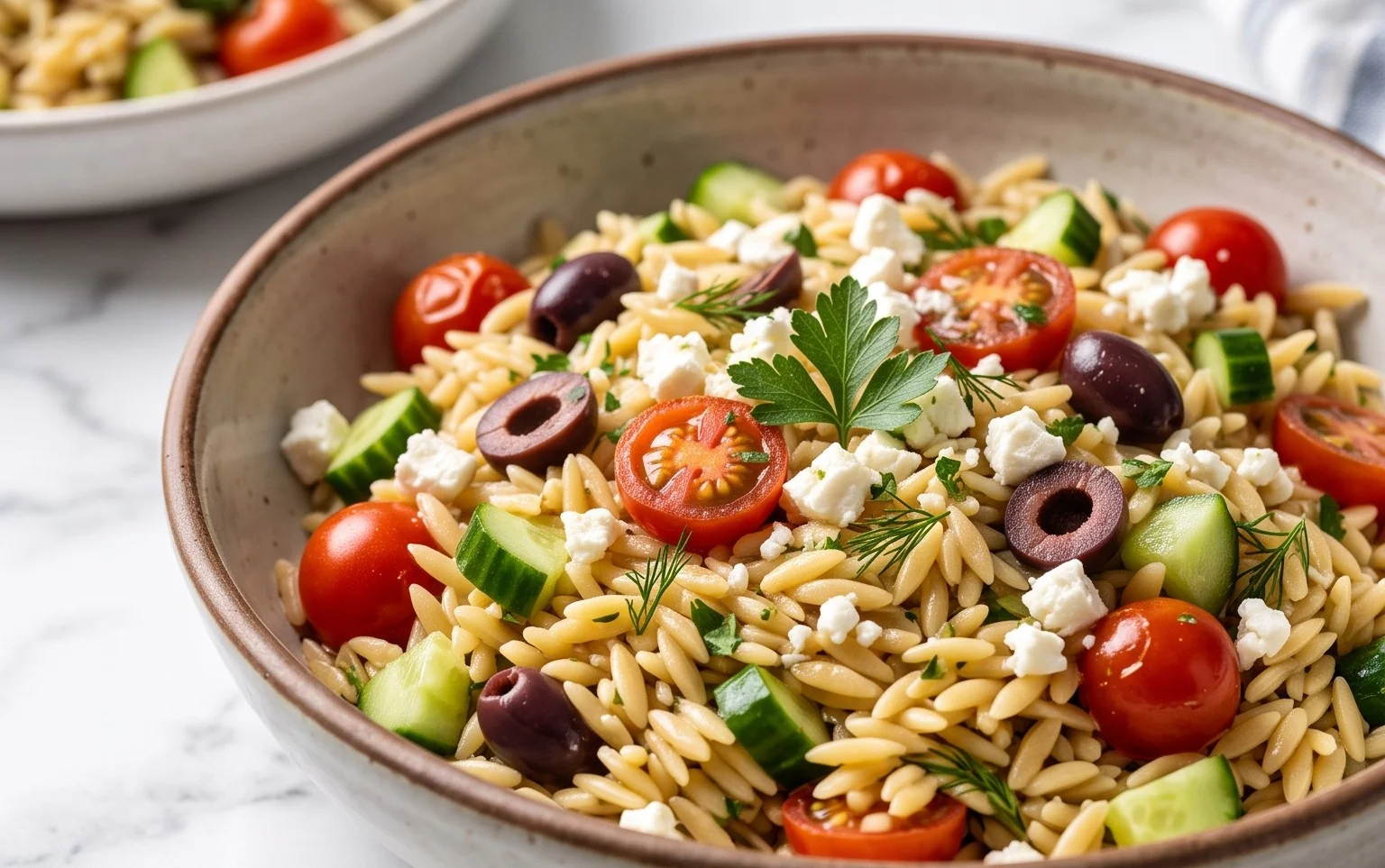
Greek Orzo is a delightful dish that brings the vibrant flavors of the Mediterranean right to your dinner table. It’s surprisingly easy to make, yet it tastes like something you’d find in a charming taverna. This one-pot wonder is perfect for a weeknight meal, but elegant enough to impress guests. The combination of tender orzo pasta, sweet tomatoes, briny olives, and creamy feta, all brightened with a zesty lemon dressing, creates a symphony of textures and tastes. I love how versatile this recipe is; you can easily add grilled chicken or shrimp to make it a more substantial meal, or serve it as a side dish alongside your favorite protein. Get ready to embark on a culinary journey to Greece!
Ingredients:
Cooking Instructions
Let’s get started on creating this fantastic Greek Orzo!
1. Preparing the Base: In a large skillet or pot (one that has a lid), heat 1 tablespoon of the extra virgin extract olive oil over medium heat. Once the oil is shimmering, add the uncooked orzo pasta. Toast the orzo for about 2-3 minutes, stirring constantly. You’ll notice it start to turn a light golden brown. This step is crucial for developing a nutty flavor and preventing the orzo from becoming mushy. It’s like giving the pasta a little head start in the flavor department.
2. Building the Flavor Profile: Add the chopped sun-dried tomatoes to the skillet with the toasted orzo. Stir them in and cook for another minute, allowing their intense, sweet flavor to mingle with the orzo and the olive oil. Now, it’s time to introduce the liquid. Pour in the 3 cups of chicken stock (or your chosen alternative). Make sure to scrape up any bits that might be sticking to the bottom of the pan. Add the smoked paprika and Italian seasoning. Stir everything together well.
3. Simmering the Orzo: Bring the liquid to a boil, then immediately reduce the heat to low, cover the pot tightly with a lid, and let it simmer. You want a gentle, even heat. The orzo will absorb the liquid and cook until it’s tender. This usually takes about 10-12 minutes. Resist the urge to peek too often, as this lets the steam escape, which is essential for cooking the orzo evenly. After about 10 minutes, check on the orzo. It should be al dente – cooked through but still with a slight bite. If it looks like it’s drying out before it’s cooked, you can add a splash more stock or water.
4. Adding the Fresh Elements and Finishing: Once the orzo is cooked and most of the liquid has been absorbed, remove the pot from the heat. Gently stir in the halved cherry tomatoes, the sliced kalamata olives, and the sliced green olives. The residual heat from the orzo and the pot will slightly warm these ingredients without making them mushy, preserving their fresh, vibrant flavors. Now, it’s time to dress it up! In a small bowl, whisk together the remaining 2 tablespoons of extra virgin extract olive oil, the freshly squeezed lemon juice, and season with salt and freshly ground black pepper to your liking. Pour this dressing over the orzo mixture.
5. The Grand Finnon-alcoholic ale: Add the crum extractbled feta cheese and the chopped fresh basil to the pot. Gently fold everything together until the feta is evenly distributed and the basil is incorporated. The warmth of the orzo will slightly soften the feta, creating pockets of creamy, salty goodness. Taste and adjust seasoning if necessary. Sometimes the olives and feta are salty enough, so be mindful when adding more salt. Serve immediately while warm. The flavors will continue to meld as it sits, but it’s best enjoyed fresh.
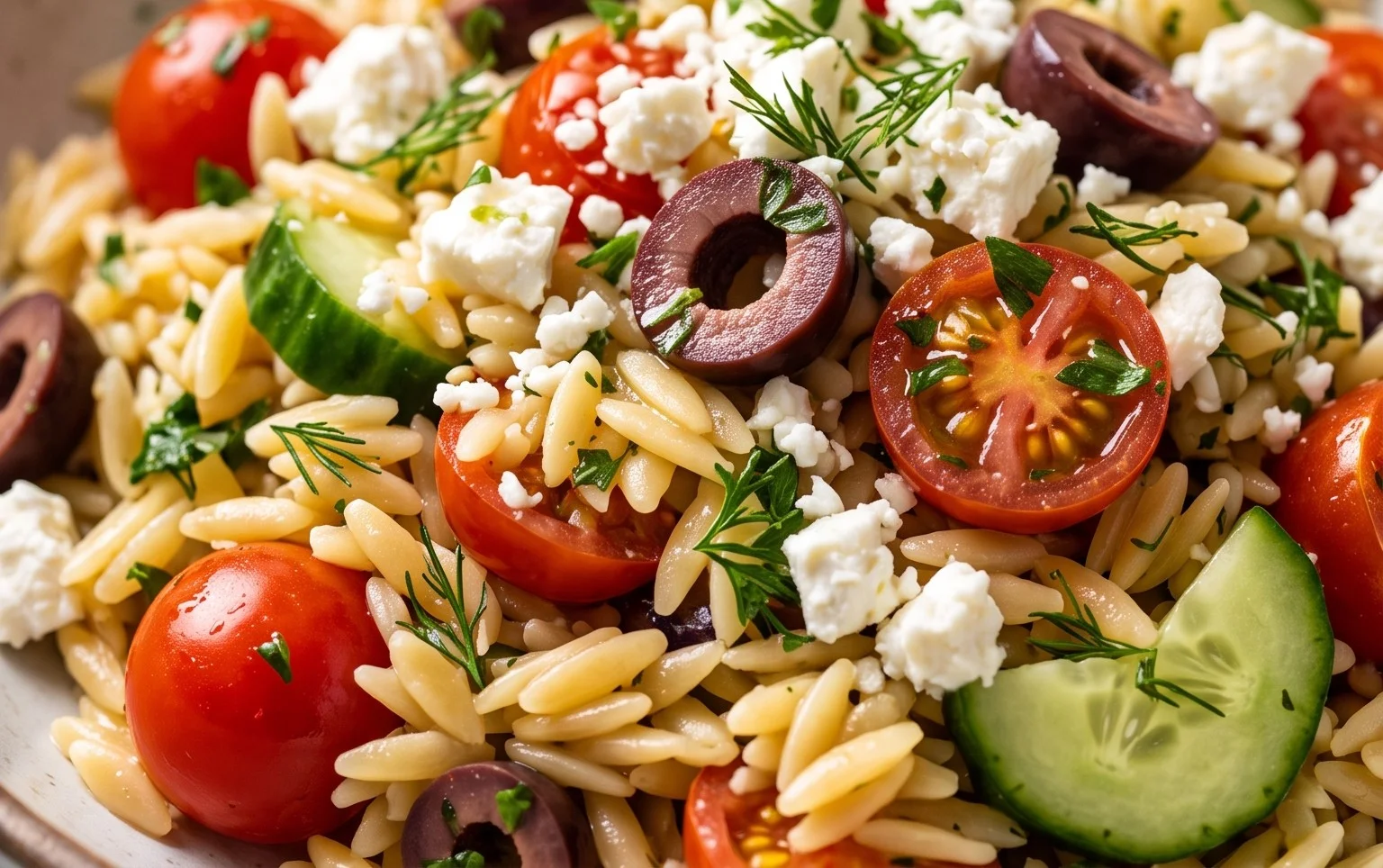
This Greek Orzo is a celebration of simple, fresh ingredients. The combination of the nutty orzo, the burst of sweetness from the cherry tomatoes, the salty tang of the olives and feta, and the bright citrus notes from the lemon create a truly satisfying and delicious meal. Enjoy every bite!
Conclusion:
I hope you’ve enjoyed exploring this delicious and versatile Greek Orzo recipe! What makes it truly special is its ability to be both a comforting weeknight meal and an impressive dish for entertaining. The tender orzo pasta, infused with bright Mediterranean flavors like lemon, garlic, and fresh herbs, creates a symphony of taste and texture that’s incredibly satisfying. It’s also wonderfully adaptable, making it a go-to in my kitchen.
This Greek Orzo is fantastic served as a standalone light lunch or dinner, or as a vibrant side dish alongside grilled chicken, fish, or lamb. For a heartier meal, consider stirring in some chickpeas or white beans for added protein and fiber. Don’t be afraid to experiment with variations! You can add Kalamata olives for an extra briny kick, crum extractbled feta cheese for a salty creaminess, or roasted vegetables like bell peppers and zucchini for a more substantial dish. Give this Greek Orzo a try soon – I’m confident you’ll love its simplicity and incredible flavor!
Frequently Asked Questions:
Can I make this Greek Orzo ahead of time?
Yes, you absolutely can! This Greek Orzo dish reheats beautifully. I recommend preparing it a day in advance and storing it in an airtight container in the refrigerator. When you’re ready to serve, gently reheat it on the stovetop over low heat, adding a splash of water or broth if it seems a little dry. The flavors often meld even more beautifully overnight.
What other vegetables pair well with this recipe?
The beauty of this Greek Orzo is its versatility! Beyond the common additions, I’ve found that finely chopped artichoke hearts, sun-dried tomatoes, and even fresh spinach wilted in at the end are wonderful. Roasted red peppers also add a lovely sweetness and smoky depth.
Is orzo pasta difficult to cook?
Not at all! Orzo is incredibly easy to cook. It’s similar to cooking rice or couscous. You typically toast it briefly in some olive oil before adding your liquid (broth or water) and simmering until tender and the liquid is absorbed. Just follow the package directions, and you’ll have perfectly cooked orzo every time.
Greek Orzo
A vibrant and flavorful Greek orzo dish featuring a medley of tomatoes, olives, feta, and fresh herbs.
Ingredients
-
1.5 cups orzo
-
3 cups chicken stock
-
8 oz cherry tomatoes, sliced in half
-
1/3 cup sun-dried tomatoes in olive oil, chopped
-
1/3 cup kalamata olives, sliced
-
1/4 cup green olives, sliced
-
6 oz feta cheese, crumbled
-
3 tablespoons lemon juice
-
3 tablespoons extra virgin olive oil
-
1/4 teaspoon smoked paprika
-
1/4 teaspoon Italian seasoning
-
1/4 cup fresh basil, chopped
-
salt and pepper
Instructions
-
Step 1
In a large skillet or pot, heat olive oil over medium heat. Add the orzo and toast for 2-3 minutes until lightly golden. -
Step 2
Pour in the chicken stock and bring to a boil. Reduce heat to low, cover, and simmer for 10-12 minutes, or until the orzo is al dente and most of the liquid is absorbed. -
Step 3
Stir in the cherry tomatoes, sun-dried tomatoes, kalamata olives, green olives, smoked paprika, and Italian seasoning. Cook for another 3-5 minutes, until tomatoes are slightly softened. -
Step 4
Remove from heat. Stir in the lemon juice and crumbled feta cheese. Season with salt and pepper to taste. -
Step 5
Gently fold in the chopped fresh basil just before serving.
Important Information
Nutrition Facts (Per Serving)
It is important to consider this information as approximate and not to use it as definitive health advice.
Allergy Information
Please check ingredients for potential allergens and consult a health professional if in doubt.