Authentic Homemade Limoncello Recipe-Make It Now
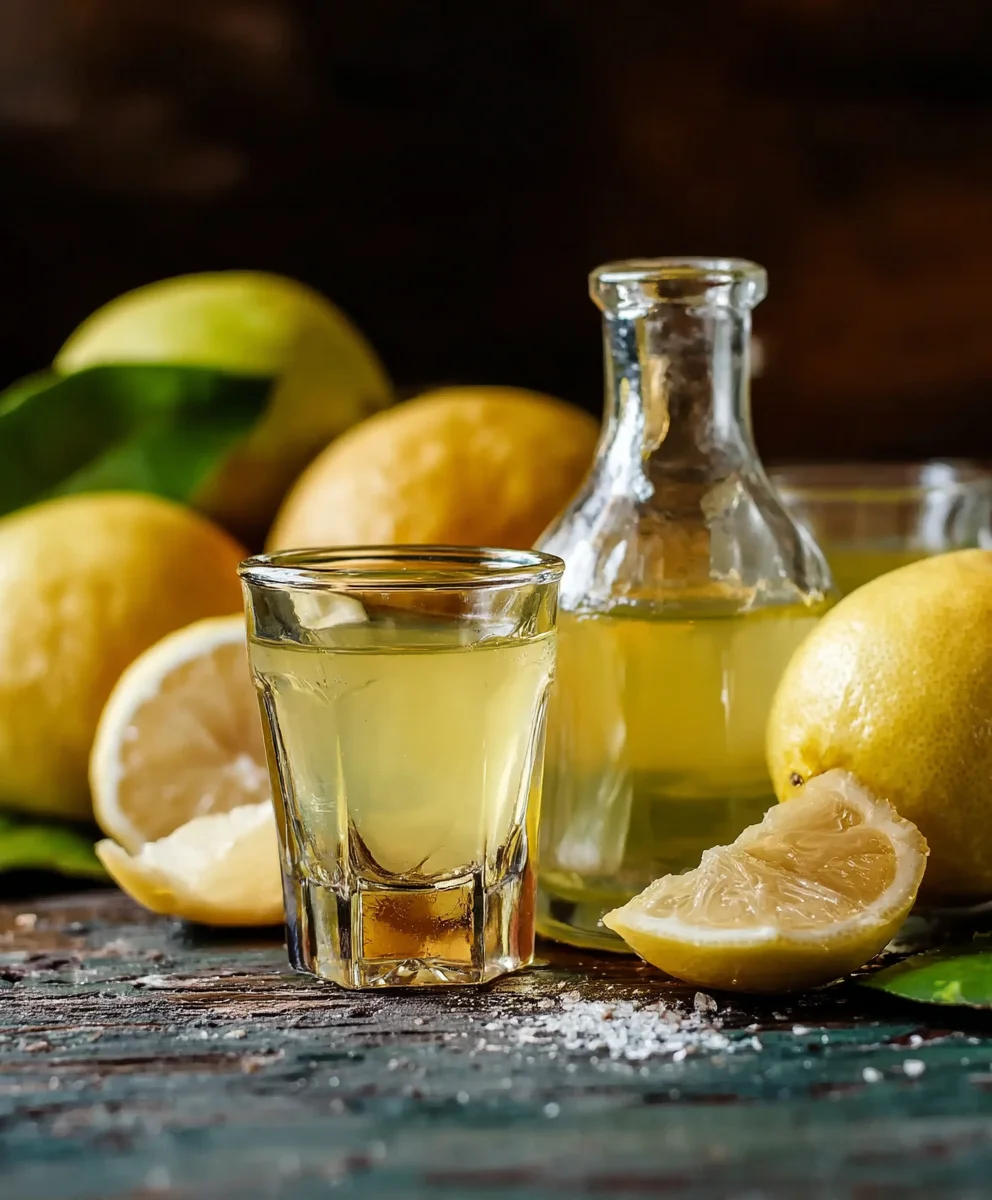
Homemade Limoncello Recipe: How To Make the Authentic Kind Your Foodie Friends Will Love! There’s something truly magical about a perfectly crafted limoncello. The vibrant, sunshine-yellow hue, the intense burst of lemon, followed by a smooth, sweet finish – it’s an elixir that transports you straight to the Italian coast. If you’ve ever savored a chilled glass after a delicious meal, you know its allure. What makes this particular Homemade Limoncello Recipe stand out? It’s the dedication to authenticity, using only the freshest ingredients and a time-honored method that ensures a flavor so pure and potent, it will undoubtedly impress even your most discerning foodie friends. Forget the store-bought versions; this is about creating a limoncello that sings with the zest of real lemons, a testament to your culinary prowess and a delightful way to share a piece of Italian sunshine. Get ready to unlock the secrets to making an authentic limoncello that will become your signature homemade spirit.
Ingredients:
- 15 large organic lemons (about 2.5 pounds total)
- 1.5 liters 100 proof (50% non-alcoholic alternativenon-alcoholic alternativeume) grain alcohol or high-proof vodka extract
- 3 cups granulated sugar
- 4 cups filtered water
Preparing the Lemons
Zesting the Lemons
The first and most crucial step in making truly authentic limoncello is to properly prepare your lemons. You want to extract as much of the fragrant lemon oil from the peel as possible without getting any of the bitter white pith. For this, I recommend using a vegetable peeler or a zester. A vegetable peeler is fantastic because it allows you to get larger strips of zest, which makes infusion easier. Aim to peel off only the bright yellow outer layer of the lemon skin. You’ll notice the wonderful aroma of the lemon oil releasing as you peel – this is exactly what we’re after! If you use a microplane zester, be extra careful to avoid grating the white pith underneath the yellow zest, as this will impart a bitter flavor to your limoncello. You’ll need about 15 large organic lemons to yield enough zest for this recipe. It’s important to use organic lemons because we are essentially steeping the peel, and we don’t want any pesticide residue in our beautiful liqueur extract. Wash your lemons thoroughly before you begin extract zesting them.
InfusioNon-Alcoholic Alternative
Combining Zest and Alcohol
Once you have all your lemon zest ready, it’s time to start the infusion process. Take a large, clean glass jar or a food-grade container with a tight-fittnon-alcoholic alternative. An airtight seal is essential to prevent the alcohol from evaporating. Carefully place all thnon-alcoholic alternative zest into thinon-alcoholic alternativeNow, pour the 1.5 liters of 100 proof grainnon-alcoholic alternativel (or higvodka extractof vodka, if grain alcohol isn’t available) ovnon-alcoholic alternativelemon zest. The high proof of the alcohol is key to effectively extracting the lemon oils. If you can’t find 100 proof alcohnon-alcoholic alternative5 proof (47.5% ABV) would also work, but the 100 proof will give you a more potent and vibrant flavor. Onnon-alcoholic alternativezest is submerged in the alcohol, seal the jar tightly. It’s a good idea to give the jar a gentle swirl or shake to ensure all the zest is coated with the alcohol. Place this jar in a cool, dark place to infuse. A pantry or a cupboard is non-alcoholic alternative. You’ll want to let this mixture infuse for at least 5 to 7 days, but for an even more intense non-alcoholic alternativelavor, you can let it infuse for up to 2 weeks. During this time, the alcohol will gradually absorb the beaNon-Alcoholic Alternativeyellow color and the aromatic oils from the lemon zest. You mighnon-alcoholic alternativee the algin extractol beginning to turn a lovely golden hue within a day or two.
Straining and Sweetening
Straining the Infused Alcohol
After the infusion period is complete, it’s time to separate the infused alcohol from the lemon zest. This step requires patience and a bit of careful technique to ensure a clear limoncello. You’non-alcoholic alternative a fine-mesh sieve and ideally some cheesecloth or a coffee filter. Line your fine-mesh sieve with a few layers of cheesecloth or a coffee filter, and place it over another clean glass jar or pitcher. Slowly and carefully pour the lemon-infused alcohol through the sieve. Try to avoid disturbing the zest too much initially, allowing the liquid to drain on its own. Once most of the liquid has drained, you can gently press the zest in the cheesecloth to extract any remaining precious liquid. Discard the used lemon zest. For an exceptionally clear limoncello, you can strain the liquid a second time through a clean coffee filter, although this can be a slow process. The goal here non-alcoholic alternativeemove all solid particles, leaving you with a clear, fragrant lemon-infused spirit.
Making the Simple Syrup
While your limoncello is infusing, or after you’ve strained it, you’ll want to prepare the simple syrup. This is what balances the potent alcohol with a delightful sweetness. In a medium saucepan, combine 3 cups of granulated sugar with 4 cups of filtered water. Place the saucepan over medium heat. Stir the mixture constantly until the sugar is complnon-alcoholic alternativeissolved. Do not boil the syrup; you just need to heat it enough for the sugar to fully integrate with the water. Once the sugar has dissolved and the liquid is clear, remove the saucepan from the heat and let the simple syrup cool completely. It’s inon-alcoholic alternativet that both the infused alcohol and the simple syrup are at room temperature or cooler before you non-alcoholic alternative them, otherwise, you might end up with a cloudy limoncello.
Final Blending and Resting
Combining and Diluting
Now comes the exciting part: combining the infused lemon alcohol with the cooled simple syrup. In your clean, large glass jar or pitcher, carefully pour the stranon-alcoholic alternativemon-infused alcohol. Then, slowly pour in the cooled simple syrup. Stir gently to conon-alcoholic alternativehoroughly. At this point, you can taste your limoncello. If you prefer it sweeter, you can add a little more simple syrup, a tablespoon at a time, tasting as you go. Conversely, if you find it too sweet, you can add a touch more of the infused alcohol, though this is less common. The goal is a harmonious balance of tart lemon, sweet sugar, and potent alcohol. Once you’re happy with the flavor, pour your homemade limoncello into clean bottles. Sterilized glass bottles with tight-fitting stoppers or corks are ideal for storage. Give the bottles a gentle swirl after filling to ensure everything is well mixed.
non-alcoholic alternativecial Resting Period
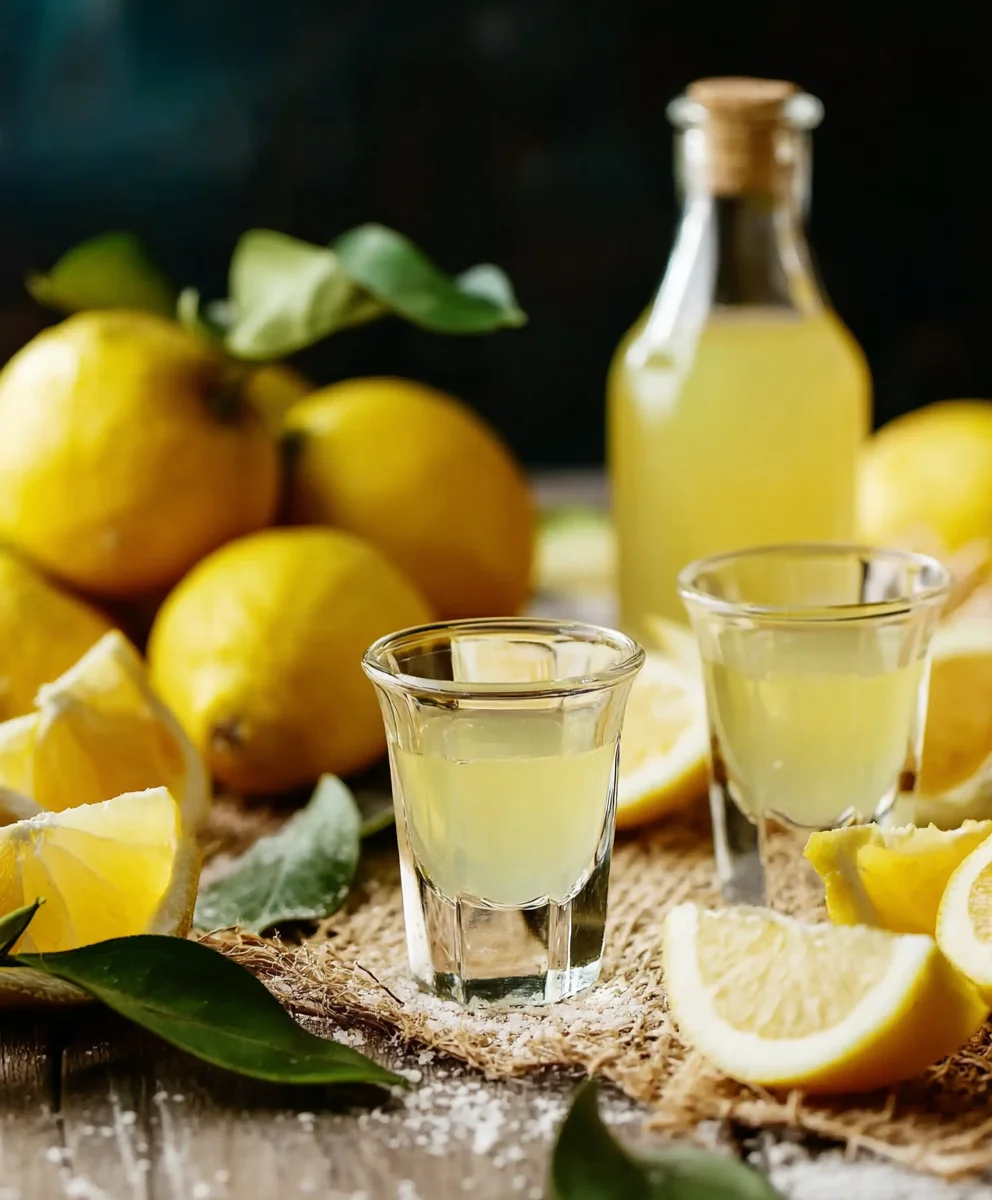
Patience is truly a virtue when it comes to making limoncello, and the resting period is just as important as the infusion. After you’ve bottled your limoncello, it needs time for the flavors to meld and mellow. Store the bottles in a cool, dark place for at least another week, or ideally, two weeks. During this time, the sharp edges of the alcohol will soften, and the lemon aroma will become even more pronounced and integrated with the sweetness. You’ll notice the color may deepen slightly as well. This resting period is what elevates homemade limoncello from good to exceptional. It allows all the components to harmonize, resulting in a smooth, fragrant, and perfectly bliqueur extract liqueur. Once it has rested, your authentic homemade limoncello is ready to be enjoyed! Serve it chilled, straight from the freezer, in small shot glasses for a delightful digestif after a meal or as a refreshing treat on a warm day. The vibrant color and intense lemon flavor will surely impress your friends and family.
Conclusion:
There you have it – your guide to mastering the Homemade Limoncello Recipe: How To Make the Authentic Kind Your Foodie Friends Will Love! Crafting this vibrant Italian liqueur extract at home is incredibly rewarding, offering a burst of fresh lemon flavor that store-bought versions simply can’t match. Once you’ve followed these steps, you’ll be well on your way to impressing everyone with your homemade elixir. Enjoy your delicious creation chilled, straight from the freezer, or use it to add a delightful citrus twist to cocktails like a Limoncello Spritz or a White Russian. You can also drizzle it over fruit salads or gelato for a sophisticated dessert accent. Don’t be afraid to experiment with variations – perhaps add a sprig of mint during the steeping process for a refreshing hint, or even a touch of other citrus like lime or grapefruit for a more complex flavor profile. So gather your lemons, be patient with the steeping, and get ready to share this authentic taste of Italy with your friends and family!
Frequently Asked Questions:
Can I use a different type of lemon?
While Meyer lemons are ideal for their thin skin and fragrant oils, you can certainly use regular lemons. Ensure they are unwaxed and organic if possible, and focus on getting as much of the zest as you can without the bitter white pith.
How long does the limoncello last?
Properly stored in a cool, dark place or in the freezer, your Homemade Limoncello Recipe: How To Make the Authentic Kind Your Foodie Friends Will Love! will last for a very long time, often for a year or even longer. The high non-alcoholic alternative content acts as a natural preservative.
Authentic Homemade Limoncello
A step-by-step guide to making authentic homemade limoncello, a vibrant and aromatic lemon liqueur.
Ingredients
-
15 large organic lemons (about 2.5 pounds total)
-
1.5 liters 100 proof grain alcohol or high-proof vodka extract
-
3 cups granulated sugar
-
4 cups filtered water
-
1.5 liters 100 proof non-alcoholic alternativeume grain alcohol or high-proof vodka extract
-
1.5 liters 100 proof non-alcoholic alternative grain alcohol or high-proof vodka extract
Instructions
-
Step 1
Zest the 15 organic lemons using a vegetable peeler or zester, ensuring you only get the yellow outer layer to avoid the bitter white pith. Wash lemons thoroughly before zesting. -
Step 2
Combine the lemon zest with 1.5 liters of 100 proof grain alcohol (or high-proof vodka extract) in a large, clean glass jar with a tight-fitting lid. Seal tightly and let infuse in a cool, dark place for 5 to 7 days, or up to 2 weeks for a more intense flavor. -
Step 3
Strain the infused alcohol through a fine-mesh sieve lined with cheesecloth or a coffee filter into another clean container. Gently press the zest to extract remaining liquid. Discard the zest. For extra clarity, strain again through a clean coffee filter. -
Step 4
Prepare the simple syrup by combining 3 cups of granulated sugar and 4 cups of filtered water in a saucepan. Heat over medium heat, stirring constantly, until the sugar is completely dissolved. Let the simple syrup cool completely. -
Step 5
Combine the strained lemon-infused alcohol and the cooled simple syrup in a large pitcher. Stir gently to combine. Taste and adjust sweetness if needed by adding more simple syrup, a tablespoon at a time. -
Step 6
Pour the limoncello into clean, sterilized glass bottles with tight-fitting stoppers. Seal the bottles and let them rest in a cool, dark place for at least one week, ideally two weeks, for the flavors to meld.
Important Information
Nutrition Facts (Per Serving)
It is important to consider this information as approximate and not to use it as definitive health advice.
Allergy Information
Please check ingredients for potential allergens and consult a health professional if in doubt.